Summary:
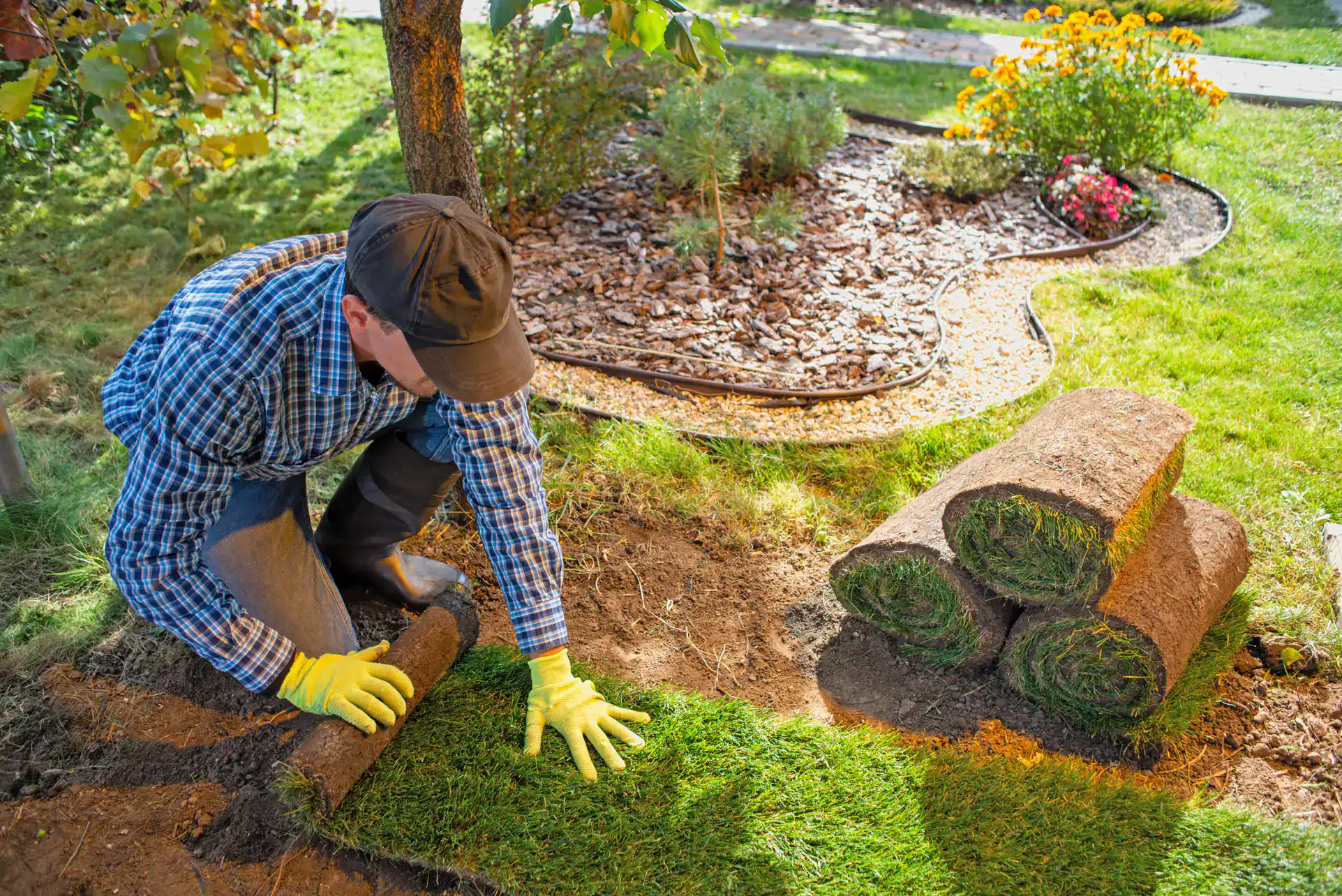
Summer in the Hamptons is peak season for everything — including landscaping disasters. The combination of sandy glacial soil, salt air rolling in off the Atlantic, and stretches of July drought creates conditions that are genuinely different from anything you’d deal with inland. Generic lawn care advice doesn’t account for any of that.
We’ve been working on coastal properties in Southampton, East Hampton, and Bridgehampton for over 20 years. The same five mistakes show up again and again — and they’re not small. They cost homeowners real money in dead plants, failed irrigation, and emergency repairs during the one season when their property needs to look its best.
Drought Resistant Landscaping Starts With Knowing Your Soil
Most of Suffolk County sits on sandy glacial outwash soil — the kind that drains so fast, water can move through the root zone before plants ever get to use it. That’s not a minor detail. It means your watering strategy, your plant selection, and your irrigation setup all need to account for soil that behaves nothing like what most landscaping guides assume.
The good news is that drought resistant landscaping isn’t about accepting a sparse or barren yard. It’s about choosing the right plants and delivering water the right way — so your landscape stays healthy through August without running up a water bill that makes you wince.
Xeriscaping for Long Island: What It Actually Means for Coastal Properties
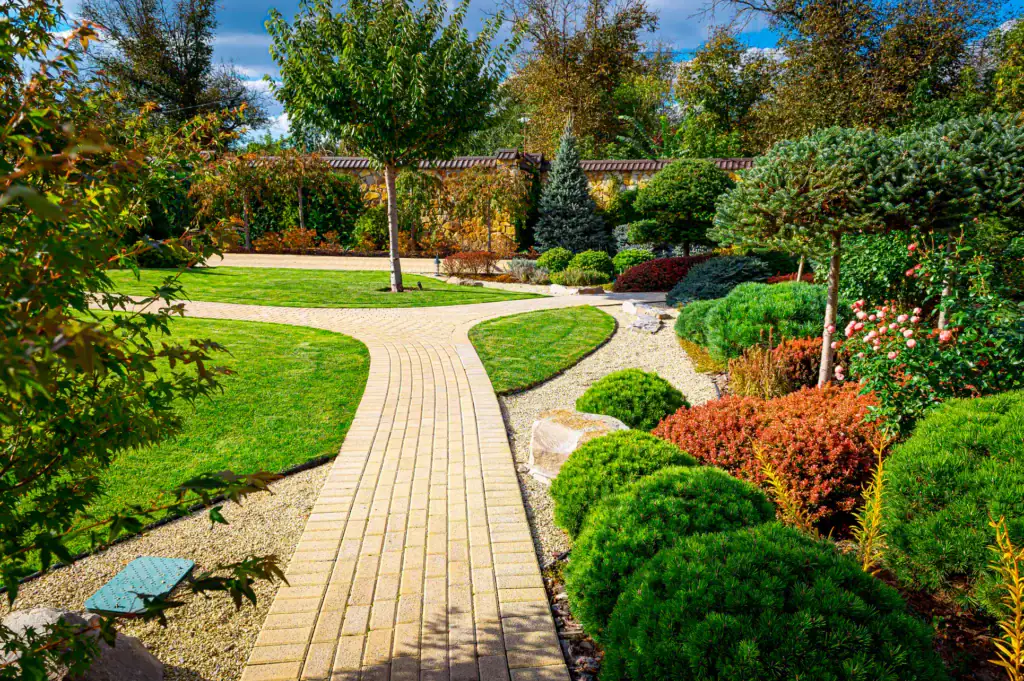
Xeriscaping gets a bad reputation because people picture rocks and cactus. On Long Island, it means something different — and honestly, something better. It’s a design approach built around drought-tolerant plants, efficient irrigation, and smart soil management. The goal isn’t a desert aesthetic. It’s a landscape that looks full and healthy without demanding constant water to stay that way.
For Hamptons properties specifically, xeriscaping principles translate well. Native plants like beach plum, bayberry, inkberry, and switchgrass are naturally adapted to Suffolk County’s sandy soil, salt air, and summer dry spells. They don’t need to be coaxed through every heat wave. Ornamental grasses, rugosa rose, lavender, and sedum round out a palette that’s both salt-tolerant and genuinely beautiful through the summer months.
The practical side matters too. Grouping plants with similar water needs on the same irrigation valve — a practice called hydro-zoning — means you’re not overwatering drought-tolerant plants to keep thirstier ones alive, or vice versa. It’s one of the most effective ways to cut water use without sacrificing coverage.
Mulching ties it together. Two to three inches of mulch over planting beds slows evaporation, moderates soil temperature, and reduces how often you need to water. Pull it back from stems and trunks — piling mulch against a plant base traps moisture and invites rot. It’s a small detail that makes a meaningful difference over a long, dry summer.
The mistake we see most often isn’t a lack of effort. It’s homeowners choosing plants based on how they look at the nursery, not how they’ll perform in coastal Suffolk County conditions. A plant that looks lush in a controlled greenhouse environment may struggle badly once it’s exposed to salt spray and fast-draining soil. Getting the plant selection right from the start is the single biggest factor in whether your landscape holds up through summer — or needs expensive replacement by September.
Why Overwatering Is Just as Damaging as Drought on Long Island Lawns
This surprises a lot of people: in Suffolk County’s sandy soil, overwatering is one of the most common causes of landscape failure. Because water drains through the root zone so quickly, homeowners and irrigation systems that run too frequently end up leaching nutrients out of the soil before plants can absorb them. The result looks like drought stress — yellowing, thinning, poor growth — even though the irrigation system has been running faithfully all summer.
The Suffolk County Water Authority’s odd/even watering schedule exists partly for this reason. Properties on odd-numbered addresses water on odd calendar days; even addresses on even days. It’s not just a conservation measure — spacing out watering cycles actually produces better results in sandy soil than daily shallow sprinkling. The target for a Suffolk County lawn is roughly one to one and a half inches of water per week, delivered in two or three deep sessions rather than a little every day.
Timing matters as much as volume. Watering before 10 a.m. reduces evaporation by up to 40 percent compared to midday watering. Running rotary sprinkler heads for 30 to 60 minutes every other day, rather than brief daily cycles, allows water to penetrate deeply enough to reach the root zone — which is the only place it actually does any good.
A rain sensor on your irrigation system is worth every penny. A light rain event doesn’t penetrate deeply enough to count as a watering in sandy soil, but a properly calibrated sensor will prevent your system from running immediately after a storm and wasting water on already-saturated ground. It’s a simple upgrade that most irrigation systems don’t come with by default, and most homeowners don’t think to add.
The deeper issue is that most irrigation systems installed on Long Island properties aren’t designed with the local soil profile in mind. They’re set to a generic schedule and left there. Getting the schedule, the zone timing, and the head placement right for Suffolk County’s specific conditions is the difference between an irrigation system that protects your investment and one that quietly undermines it all summer.
Landscape Maintenance Timing That Suffolk County's Climate Actually Demands
Summer maintenance on a coastal Long Island property isn’t just about keeping things tidy. The timing of specific tasks — mowing height, pruning, fertilization — has a real impact on whether your landscape comes through the season healthy or limps into fall needing significant recovery work.
Cool-season grasses like fescue, Kentucky bluegrass, and perennial ryegrass dominate Suffolk County lawns. They behave differently in summer than warm-season grasses do, and most of the advice you’ll find online is written for the wrong grass type. Understanding what your lawn is actually doing in July changes how you take care of it.
Mowing Too Short in Summer: The Mistake That Invites Weeds and Drought Stress

Cutting grass short to stretch the time between mowing sessions is one of the most common and costly summer lawn mistakes on Long Island. When cool-season grass is cut below three inches during summer heat, the soil beneath it gets exposed to direct sunlight. That accelerates drying, raises soil temperature at the root zone, and creates exactly the conditions that weed seeds need to germinate. You end up with more problems, not less work.
Keeping mower decks set to three inches or higher through the summer months allows grass to develop deeper roots that reach moisture further down in the soil profile. Taller grass also shades the soil surface, which slows evaporation and suppresses weed competition. It’s a straightforward adjustment with a disproportionate impact on how well your lawn holds up through August.
Cool-season grasses also go semi-dormant during peak summer heat — that’s normal, not a sign of failure. A lawn that looks slightly less lush in late July isn’t necessarily struggling; it may simply be conserving energy. The mistake is responding to normal summer dormancy by fertilizing, which is where real damage happens. Applying nitrogen fertilizer to dormant or heat-stressed cool-season grass can burn it badly, and Suffolk County’s Long Island Nitrogen Action Plan guidelines specifically discourage summer fertilization for exactly this reason. The right windows for fertilizing cool-season turf are spring and fall — not July.
Pruning timing is another area where well-meaning homeowners do expensive damage. Most flowering shrubs common to Hamptons properties — hydrangeas, lilacs, rhododendrons — set their flower buds for the following year during summer. Pruning them in July or August removes next year’s blooms before they ever have a chance. The correct window for most of these shrubs is immediately after they finish flowering in spring. Summer pruning also stresses plants that are already managing heat and drought, which can push a borderline-stressed plant into serious decline.
Salt Damage on Hamptons Properties: What It Looks Like and How to Address It
If your property is within a few miles of the Atlantic or Peconic Bay, salt is a constant presence in your landscape — not just after storms, but through the entire growing season. Salt spray accumulates on leaf surfaces during onshore wind events, clogging the small pores plants use to breathe and drawing moisture out of plant tissue through osmosis. The visible result is browning along leaf edges, dieback on the windward side of plants, and an overall burned appearance that homeowners often mistake for drought stress or disease.
The damage compounds in sandy soil. Salt that washes off leaves and enters the ground can accumulate to levels that are toxic to plant roots over time, particularly in areas with limited rainfall to flush it through. Properties on the South Shore between Southampton and Bridgehampton, and those on the bay side near Noyack and Water Mill, see this regularly — especially after summer storms push strong onshore winds for extended periods.
Addressing salt damage starts with plant selection. Choosing species with documented salt tolerance — the same natives and ornamentals that thrive in xeriscaping applications — means your landscape has a built-in buffer against the inevitable exposure. Physical barriers help too: a well-placed hedge or fence on the windward side of a planting can significantly reduce direct spray contact.
When salt accumulation in soil becomes a problem, deep, thorough irrigation is the most effective remediation. Flushing the root zone with a significant volume of water pushes accumulated salt below the active root zone, where it does less damage. This is one situation where watering deeply and thoroughly — beyond the normal maintenance schedule — is genuinely warranted.
What doesn’t help is ignoring it and hoping the next rain takes care of things. A light rainfall event doesn’t move enough water through Suffolk County’s sandy soil to flush salt meaningfully. By the time the visible damage is obvious, the plant may already be under significant stress. Catching the early signs — subtle browning at leaf margins, reduced vigor on the side of a plant facing the water — and responding quickly makes the difference between a plant that recovers and one that needs replacing.
Protecting Your Suffolk County Landscape This Summer
The mistakes that cost Hamptons homeowners the most aren’t dramatic. They’re the quiet ones — the wrong plant in the wrong spot, an irrigation system running on a schedule designed for inland soil, a lawn cut too short through July. By the time the damage is visible, you’re already looking at replacement costs, not prevention costs.
Getting summer landscaping right on a coastal Suffolk County property means understanding what makes this place genuinely different: the sandy soil, the salt air, the SCWA watering restrictions, the cool-season grasses that need to be treated like cool-season grasses. It’s specific knowledge, and it shows in the results.
If your landscape isn’t holding up the way it should — or you want to get ahead of problems before they become expensive — we’re at 396 N Main St in Southampton and have been working on East End properties for over 20 years. One job at a time, with a one-year warranty on labor and materials. Call (631) 678-5629 to talk through what your property needs this summer.
Frequently Asked Questions
How often should I water my landscape during Long Island’s hot summers?
The target for most Suffolk County lawns is one to one and a half inches of water per week, delivered in two or three deep sessions rather than a little every day. The Suffolk County Water Authority’s odd/even watering schedule — odd-numbered addresses on odd calendar days, even addresses on even days — is the framework to work within. Watering before 10 a.m. reduces evaporation significantly and is the most efficient window for any property in the Hamptons area.
What are the best drought-resistant plants for coastal Long Island properties?
Native plants adapted to Suffolk County’s sandy soil and salt air are your best starting point. Beach plum, bayberry, inkberry, switchgrass, and rugosa rose all perform well in coastal conditions without demanding constant water. Ornamental grasses, lavender, and sedum are also solid choices. The key is selecting plants based on how they’ll perform in your actual conditions — salt exposure, fast-draining soil, summer drought — not just how they look at the nursery.
Why does my lawn turn brown in the Hamptons every summer?
If your lawn is predominantly cool-season grass — fescue, Kentucky bluegrass, or perennial ryegrass, which are the dominant turf types in Suffolk County — some browning and reduced vigor in peak summer heat is normal semi-dormancy, not failure. That said, browning can also result from mowing too short, inconsistent irrigation, or salt accumulation near the coast. If the browning is patchy, concentrated on the windward side of your property, or accompanied by thinning, it’s worth having someone look at it before fall.
How do I know if my landscaper is licensed in Suffolk County, NY?
Under Suffolk County Code §563-17, landscaping on residential properties requires a home improvement contractor license. Beyond the county-level license, contractors working in East End towns like Southampton and East Hampton also need a town-level license — a dual requirement that many lower-cost operators don’t meet. You can verify licensing through the Suffolk County contractor license portal. Hiring an unlicensed contractor leaves you without legal recourse if the work fails and may expose you to liability if a worker is injured on your property.