Summary:
Why Privacy Landscaping Matters for Hamptons Properties
Living in Southampton, East Hampton, or Bridgehampton comes with trade-offs. You get coastal beauty and a vibrant community. You also get neighbors who can see directly into your pool area.
Most Hamptons homeowners deal with at least one privacy challenge. Maybe it’s a second-story window overlooking your patio. Maybe it’s street traffic that makes your front yard feel too exposed. Or maybe you just want to create distinct outdoor rooms where you can entertain without feeling like you’re on display.
The right landscaping design solves these problems while adding real value to your property. Studies show that well-planned privacy landscaping can increase property values by 7 to 14 percent. It also reduces noise by up to 50 percent when you use dense plantings strategically. Beyond the numbers, it’s about creating spaces where you actually want to spend time—spaces that feel like yours.
Living Fences: Natural Barriers That Don't Block Your View
A living fence is exactly what it sounds like—a barrier made from plants instead of wood or vinyl. It’s one of the most effective privacy solutions for Hamptons properties because it screens without looking harsh or out of place.
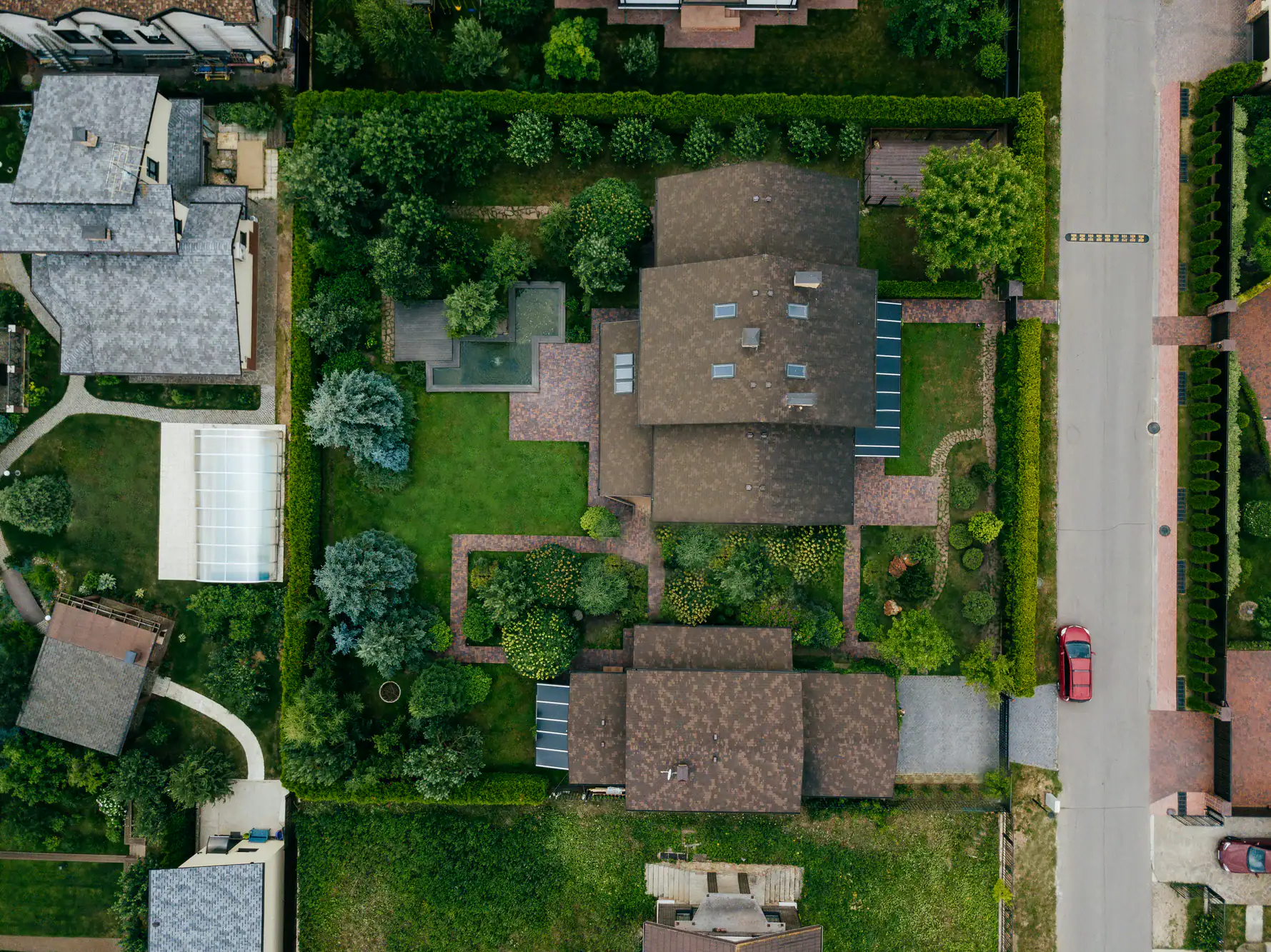
The key is choosing the right plants. In Suffolk County, you’re dealing with salt spray, coastal winds, and sandy soil. Not every plant can handle that. Evergreens like Thuja Green Giant and arborvitae work well because they stay green year-round and grow tall enough to block sightlines. Italian Cypress adds a Mediterranean touch and grows narrow, which is perfect if you’re working with limited space. Privet hedges have been a Hamptons staple for decades—they’re dense, fast-growing, and relatively low-maintenance once established.
Living fences take time to fill in, usually two to three growing seasons before you get full coverage. That’s the trade-off. But once they’re mature, they provide privacy that feels natural and blends with the coastal aesthetic. They also offer benefits you don’t get from a wood fence: they reduce noise, filter dust, and create habitat for birds. If you’re patient and choose plants suited to your property’s conditions, a living fence becomes one of the most valuable elements in your landscape.
The installation process matters just as much as plant selection. Spacing is critical—plant too close and you’ll deal with overcrowding and disease. Plant too far apart and you’ll wait years for coverage. We calculate spacing based on each plant’s mature width, not its current size. We also consider sun exposure, drainage, and how the living fence will interact with other elements in your yard. This upfront planning prevents costly mistakes and ensures your investment actually delivers the privacy you’re paying for.
Layered Planting: How to Build Depth and Maximum Screening
A single row of hedges blocks views at one level. Layered planting blocks views at every level while adding visual interest that makes your property feel more intentional and complete.
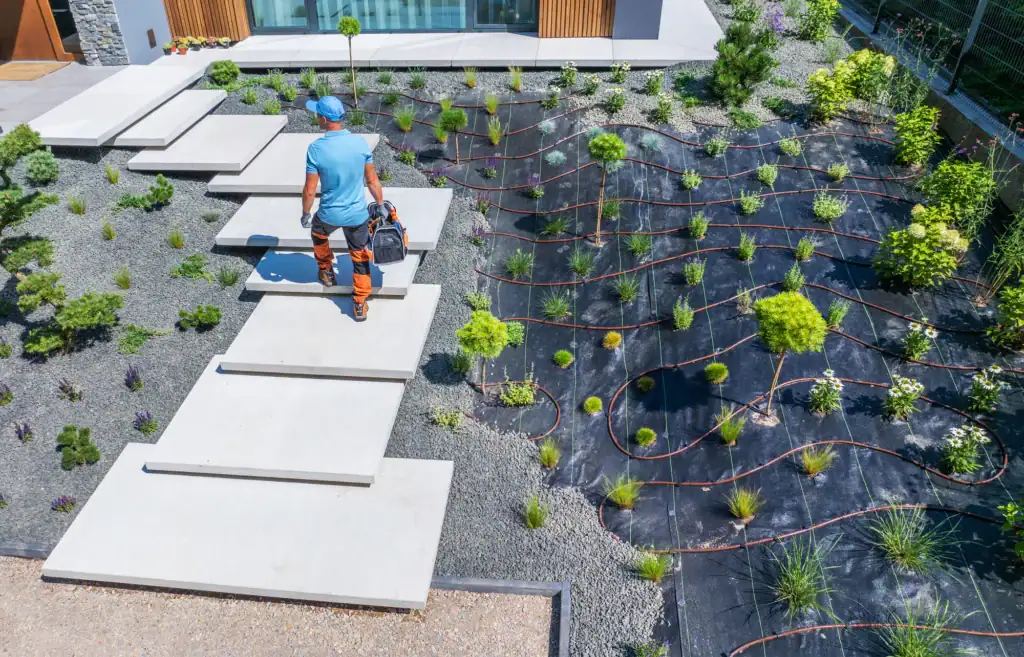
The concept is simple: use plants of different heights to create multiple screening layers. Tall evergreen trees form the backdrop. Medium-height shrubs fill the middle zone. Low groundcover or perennials complete the foreground. This approach doesn’t just provide better privacy—it creates depth that makes your outdoor space feel larger and more sophisticated.
For Hamptons properties, a typical layered design might include American Holly or Eastern Red Cedar as the tall layer, reaching 15 to 20 feet. The middle layer could be dense shrubs like Boxwood or Cherry Laurel, growing 6 to 10 feet high. The low layer might feature ornamental grasses like Blue Fescue or flowering perennials that add seasonal color. Each layer serves a purpose: the trees block overhead views from second-story windows, the shrubs create a solid screen at eye level, and the groundcover softens the overall look while preventing weeds.
Layered planting also gives you flexibility. If one plant struggles or gets damaged, you still have coverage from the other layers. This redundancy is especially valuable in coastal areas where storms and salt spray can stress plants. You’re not putting all your eggs in one basket.
The design process for layered planting requires understanding your property’s sightlines. Where do you need the most privacy? Which areas can be more open? We walk your property with you, identify problem areas, and map out a planting plan that addresses each one. We consider how plants will look in all four seasons, how they’ll grow over time, and how they’ll interact with existing structures like patios or pools. This level of planning ensures your landscape works as a cohesive system, not just a collection of random plants.
Hardscaping for Privacy: Walls, Patios, and Strategic Structures
Plants aren’t the only answer. Hardscaping—the non-living elements like walls, patios, and pergolas—plays a major role in creating privacy, especially when you need immediate results or want to define specific areas.
A stone retaining wall can block views while also solving drainage issues or creating level spaces on sloped properties. A pergola with climbing vines gives you overhead privacy and shade. A well-placed patio with raised planter beds creates an outdoor room that feels enclosed and intimate. These structures provide instant privacy while plants are still filling in, and they add architectural interest that elevates your property’s overall design.
The best privacy designs combine hardscaping and planting. The hard elements provide structure and immediate screening. The plants soften the look and add natural beauty. Together, they create spaces that feel both private and inviting, not closed-off or fortress-like.
Retaining Walls and Raised Beds: Function Meets Form
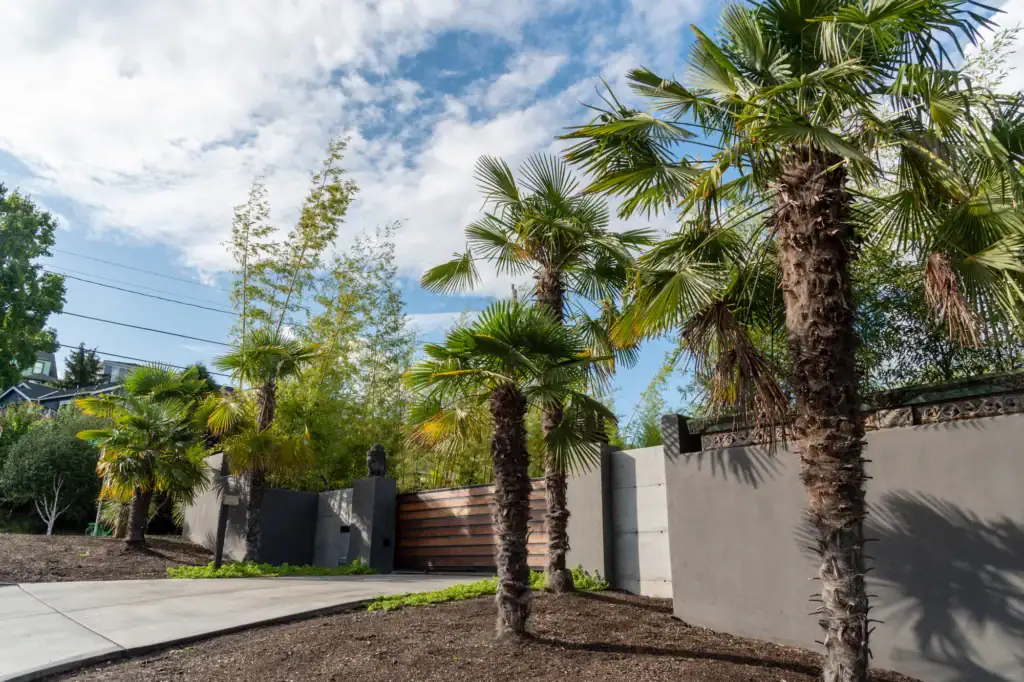
Retaining walls do more than hold back soil. When designed strategically, they create privacy barriers that look intentional and polished.
A 3 to 4-foot stone wall along your property line provides partial screening while maintaining an open feel. Top it with plantings and you’ve got coverage at multiple heights. Raised planter beds work the same way—they add elevation that blocks sightlines while giving you space to grow shrubs, ornamental grasses, or even small trees. This approach is especially effective around pools or patios where you want privacy without feeling boxed in.
Material choice matters. Natural stone blends with the Hamptons aesthetic and ages beautifully. Brick offers a more traditional look. Concrete block can be faced with stone veneer for a high-end appearance at a lower cost. The key is choosing materials that complement your home’s architecture and the overall style of your landscape.
Retaining walls also solve practical problems. If your property slopes, they create usable flat spaces for entertaining or gardening. They prevent erosion and manage water runoff, which is critical in Suffolk County where heavy rains can cause drainage issues. A well-designed retaining wall serves multiple purposes: it provides privacy, adds visual interest, solves grading problems, and increases your property’s usable square footage. That’s a solid return on investment.
We handle both landscaping and masonry, which makes the process smoother. You’re not coordinating between separate contractors or dealing with miscommunication about how the wall integrates with plantings. We manage the entire project from design through installation, ensuring everything works together as planned.
Pergolas and Overhead Structures: Privacy From Above
Second-story windows are a common privacy challenge in the Hamptons. Your neighbor’s bedroom overlooks your patio. You feel exposed every time you’re outside. A pergola or similar overhead structure solves this problem while creating a defined outdoor living space.
Pergolas provide partial coverage through their slatted roofs. Add climbing vines like clematis or wisteria and you get additional screening that looks lush and natural. The structure itself defines the space, making your patio or dining area feel like an outdoor room rather than just an open yard. You can also incorporate retractable screens or fabric panels for adjustable privacy depending on the situation.
The design possibilities are extensive. A modern pergola with clean lines and horizontal slats fits contemporary homes. A traditional wooden pergola with decorative brackets suits classic Hamptons architecture. You can attach a pergola to your house or build it as a freestanding structure in your yard. The key is sizing it appropriately for your space and ensuring it serves the specific privacy needs you’re addressing.
Installation requires proper planning. Pergolas need footings that go below the frost line to prevent shifting. They need to be engineered to handle wind loads, especially in coastal areas. And they need to integrate with your existing landscape without blocking too much natural light or making the space feel cramped. We handle these details, pulling permits, coordinating inspections, and ensuring the structure is built to code.
Overhead structures also add value beyond privacy. They provide shade, which makes your outdoor space more comfortable during summer months. They create a focal point that elevates your property’s aesthetic appeal. And they give you a framework for outdoor lighting, fans, or even outdoor speakers if you want to create a full entertainment space. The privacy benefit is significant, but it’s just one part of what a well-designed pergola brings to your property.
Working With a Design-to-Build Team in Suffolk County
Creating privacy through landscaping isn’t just about picking plants or building walls. It’s about understanding your property’s specific challenges, designing solutions that address those challenges, and executing the plan with attention to detail.
A design-to-build approach means one team handles everything from initial consultation through final installation. You’re not coordinating between a landscape designer, a masonry contractor, and a separate irrigation company. One team manages the entire process, which eliminates miscommunication and ensures every element works together as intended. You get a cohesive result that looks polished and functions exactly as promised.
For Hamptons homeowners who value their time and want quality results, this approach makes sense. You meet with us once to discuss your vision and privacy needs. We assess your property, create a detailed plan, and walk you through exactly what will happen and when. Then we execute, keeping you updated but not requiring constant oversight. When the project is complete, you have a private outdoor space that enhances your property and gives you the seclusion you’ve been missing. If you’re ready to transform your outdoor space, we manage the full design-to-build process for properties throughout Southampton, East Hampton, and Bridgehampton.