Summary:
What Makes Smart Irrigation Different from Traditional Sprinkler Systems
Traditional irrigation systems operate on fixed schedules, running the same amount of time regardless of whether it rained yesterday or if temperatures dropped overnight. They waste water and often leave you with brown patches where coverage overlaps poorly or misses entirely.
Smart irrigation systems use technology to make real-time decisions. Weather-based controllers pull data from local stations to adjust watering based on temperature, humidity, wind, and recent rainfall. Soil moisture sensors measure actual moisture levels in your root zones, preventing watering when the ground is already saturated. The result is precision watering that responds to conditions rather than blindly following a timer.
For Hamptons properties, this matters more than most places. Suffolk County’s sandy soil drains so quickly that water applied at the wrong time simply runs through without reaching plant roots. Smart systems time watering for early morning when evaporation is lowest and adjust duration based on how fast your specific soil type absorbs water. You’re not guessing anymore—you’re working with data.

How Weather-Based Controllers Save Water in Sandy Hamptons Soil
Sandy soil presents a specific challenge that most irrigation systems aren’t designed to handle. Water moves through sand particles quickly, often draining away before plant roots can absorb it. Traditional systems compensate by watering more frequently, which wastes water and increases your bills without actually improving plant health.
Weather-based controllers solve this by calculating evapotranspiration rates—the combination of water evaporating from soil and transpiring through plant leaves. These controllers use local weather data including temperature, humidity, wind speed, and solar radiation to determine exactly how much water your landscape lost since the last watering cycle. Then they adjust the next watering duration to replace only what was lost.
In practice, this means your system waters longer but less frequently in sandy soil, allowing moisture to penetrate deeper where roots can access it. During cooler periods or after rainfall, the system automatically reduces or skips watering entirely. Studies from the EPA show these controllers reduce water use by 30% on average in real-world residential applications, with some properties seeing savings up to 50%.
The technology integrates with your existing irrigation infrastructure. A licensed contractor replaces your old timer with a smart controller, programs it with your property’s zone information and plant types, then connects it to weather data sources. From that point forward, the system manages itself. You can override settings when needed, but most homeowners find they rarely need to touch the controls once properly configured.
For coastal Hamptons properties, this automation is particularly valuable. Salt air, wind exposure, and microclimates created by proximity to water all affect how quickly landscapes dry out. Weather-based systems account for these variables automatically, adjusting watering without requiring you to constantly monitor conditions and manually update schedules.
Soil Moisture Sensors and Zone-Based Watering for Hamptons Properties
Not every part of your property needs the same amount of water. Areas in full sun dry out faster than shaded sections. Established trees have different needs than new plantings. Turf grass requires different watering patterns than garden beds. Zone-based irrigation with soil moisture sensors handles these variations automatically.
Soil moisture sensors install directly in the root zone of different landscape areas. These devices measure actual moisture content in the soil and send readings to your irrigation controller. When moisture levels drop below the threshold for that specific zone, the system waters. When levels are adequate, it doesn’t—even if the schedule says it should.
This prevents the most common irrigation problem in Hamptons landscapes: overwatering some areas while underwatering others. Your sunny front lawn might need daily watering during July, while your shaded side yard with mature plantings might only need water twice a week. Soil sensors ensure each zone gets exactly what it needs based on real conditions, not assumptions.
The practical benefit shows up in both water bills and landscape health. Properties using soil moisture sensor systems typically see 20-40% reductions in water use compared to timer-based systems. More importantly, plants thrive because they’re receiving consistent, appropriate moisture levels. You’ll see fewer brown patches, less fungal disease from overwatering, and better drought resistance during dry periods.
Installation requires burying sensors at proper depths in representative locations within each irrigation zone. A professional installer determines optimal sensor placement based on your property’s layout, sun exposure, soil type, and plant material. Once calibrated, the sensors work continuously with minimal maintenance—most only require checking once or twice per season.
For properties with varying terrain or multiple landscape types, combining soil moisture sensors with weather-based controllers creates the most efficient system possible. The weather controller handles overall scheduling based on atmospheric conditions, while soil sensors provide ground-truth data preventing watering when it’s unnecessary. This two-layer approach maximizes water savings while ensuring your landscape never experiences moisture stress.
Installing Irrigation Systems for Suffolk County's Coastal Conditions
Suffolk County’s coastal environment creates installation requirements that differ significantly from inland properties. Salt air corrodes components faster. Sandy soil requires deeper pipe burial to prevent shifting. Water pressure varies more due to seasonal demand fluctuations. Wind affects spray patterns and evaporation rates.
Professional irrigation system installation in Suffolk County accounts for these factors from the design phase forward. The process starts with analyzing your property’s specific conditions—soil composition, water pressure, drainage patterns, sun exposure, and existing landscaping. This assessment determines how many zones you’ll need, what type of sprinkler heads work best for each area, and where to place components for optimal performance and longevity.
Proper installation also includes obtaining necessary permits, installing backflow prevention devices to protect water supply, and ensuring compliance with Suffolk County water regulations. These aren’t optional steps—they’re required for legal operation and often checked during property inspections. Working with a licensed, insured contractor ensures all regulatory requirements are met correctly the first time.
What to Expect During Professional Irrigation System Installation

Understanding the installation process helps you plan appropriately and know what to expect on your property. Professional irrigation installation typically takes one to three days depending on property size and system complexity, with most residential Hamptons properties falling into the one to two day range.
The first step involves marking out irrigation zones and sprinkler head locations using flags or spray paint. We walk the property with you to confirm the layout matches your needs and address any concerns about specific areas. This is your opportunity to point out problem zones, areas requiring special attention, or landscape features that need protection during installation.
Trenching comes next. Professional crews use specialized equipment to dig narrow trenches for pipe installation, minimizing disruption to your existing lawn. In Hamptons sandy soil, trenches typically run 8-12 inches deep for lateral lines, with main lines buried deeper for protection. The crew takes care to avoid existing utilities, landscape features, and underground obstacles. Modern pipe-pulling equipment allows installation beneath driveways and walkways without cutting through them.
Once trenches are prepared, we lay pipe, connect sprinkler heads and valves, and install the main controller and backflow prevention device. Each zone is tested individually to ensure proper pressure, coverage, and spray patterns. Adjustments are made on-site to eliminate dry spots and prevent overspray onto hardscapes or structures.
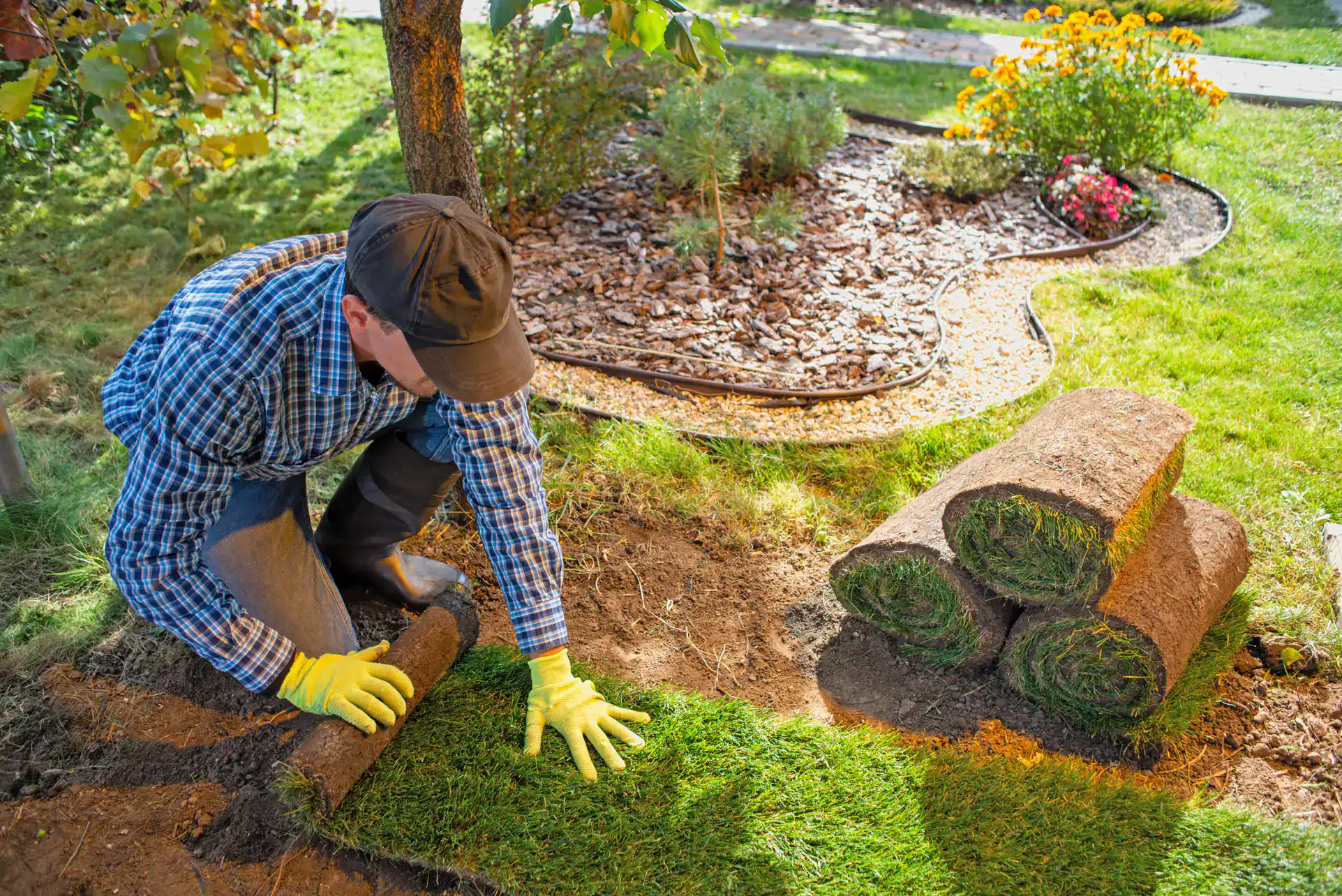
After confirming everything operates correctly, trenches are backfilled and the disturbed areas are restored. We reseed or patch affected turf areas, though some disruption is inevitable. In sandy Hamptons soil, grass typically recovers quickly—you’ll see new growth within two to three weeks under normal conditions.
The final step involves programming your controller and training you on system operation. We set up watering schedules based on your landscape’s specific needs, program weather-based features, and show you how to make adjustments or run manual cycles when needed. Most smart controllers offer smartphone apps for convenient remote management, though basic operation remains simple even if you never use the app.
Our professional installation includes a one-year warranty covering both labor and materials, including lawn irrigation repair if components fail or system performance doesn’t meet specifications. This warranty protects you and represents one of the key differences between professional installation and DIY approaches—you have recourse if problems develop, and you’re working with someone who stands behind their work.
Drip Irrigation Systems for Hamptons Garden Beds and Landscaping
While spray systems work well for turf areas, garden beds, shrubs, and trees benefit more from drip irrigation. Drip systems deliver water directly to plant root zones through a network of tubing and emitters, eliminating the waste that comes from spraying water into the air where wind and evaporation reduce efficiency.
For Hamptons properties, drip irrigation makes particular sense in sandy soil conditions. Water applied slowly at the soil surface has time to penetrate deeply rather than running through sand before roots can absorb it. This deep watering encourages stronger root systems and healthier plants while using 30-50% less water than spray irrigation.
Drip systems also prevent common problems associated with overhead watering. Foliage stays dry, reducing fungal disease pressure. Mulch and soil surfaces don’t get blasted by spray, preventing erosion and keeping beds looking neat. Weeds receive less water since you’re only irrigating where you have intentional plantings, not bare soil between plants.
Installation involves laying drip tubing throughout planting beds, positioning emitters near each plant’s root zone, and connecting the system to a dedicated zone on your irrigation controller. Professional installers calculate emitter spacing and flow rates based on plant types, spacing, and soil conditions. The tubing is typically buried under a thin layer of mulch where it’s protected but accessible for adjustments as your landscape matures.
Drip irrigation works particularly well for areas with mixed plantings that have different water requirements. Emitters can be adjusted individually or selected in different flow rates to deliver more water to thirsty plants and less to drought-tolerant species. This customization is impossible with spray systems where everything in a zone receives the same amount of water.
Maintenance requirements for drip systems are minimal but important. Emitters can clog with mineral deposits or debris, particularly in areas with hard water. Annual flushing and inspection keep the system flowing properly. Most homeowners handle this themselves, though it can be included in seasonal maintenance contracts with your irrigation provider.
For properties with extensive landscaping beyond turf areas, combining spray irrigation for lawns with drip systems for beds creates the most efficient overall approach. Each area receives water in the most appropriate form, maximizing plant health while minimizing waste. The upfront investment in a properly designed hybrid system pays for itself through water savings and reduced plant replacement costs.
Making Smart Irrigation Work for Your Hamptons Property
Smart irrigation systems represent a practical solution to the water management challenges Hamptons properties face. Sandy soil, coastal conditions, and rising water costs all point toward the need for more efficient watering approaches. Automated systems that respond to real-time weather data and soil conditions deliver better results while using significantly less water than traditional methods.
The investment typically pays for itself within three to five years through reduced water bills, with the added benefits of healthier landscapes, increased property value, and the time savings from not managing watering manually. Systems we install come with warranties and the confidence that permits, backflow prevention, and local regulations have been handled correctly.
If your Hamptons landscape struggles with dry patches, high water bills, or the constant need for manual adjustment, modern irrigation technology can address these issues for your specific property. We bring local Suffolk County experience to system design and installation, with proper licensing and a one-year warranty covering all work. Reach out to discuss what an efficient watering system could do for your landscape.