Summary:
Every spring, homeowners across Suffolk County ask the same question: can I just install this irrigation system myself and skip the contractor? It’s a fair question. The kits look manageable, the YouTube tutorials make it look doable, and the upfront savings are real — at least on paper. But the full picture is more complicated than the box makes it seem. By the time you factor in Long Island’s specific soil conditions, local permit requirements, and the cost of fixing what goes wrong, the math often flips. Here’s what you actually need to know before you decide.
DIY Irrigation System Installation: What It Actually Involves
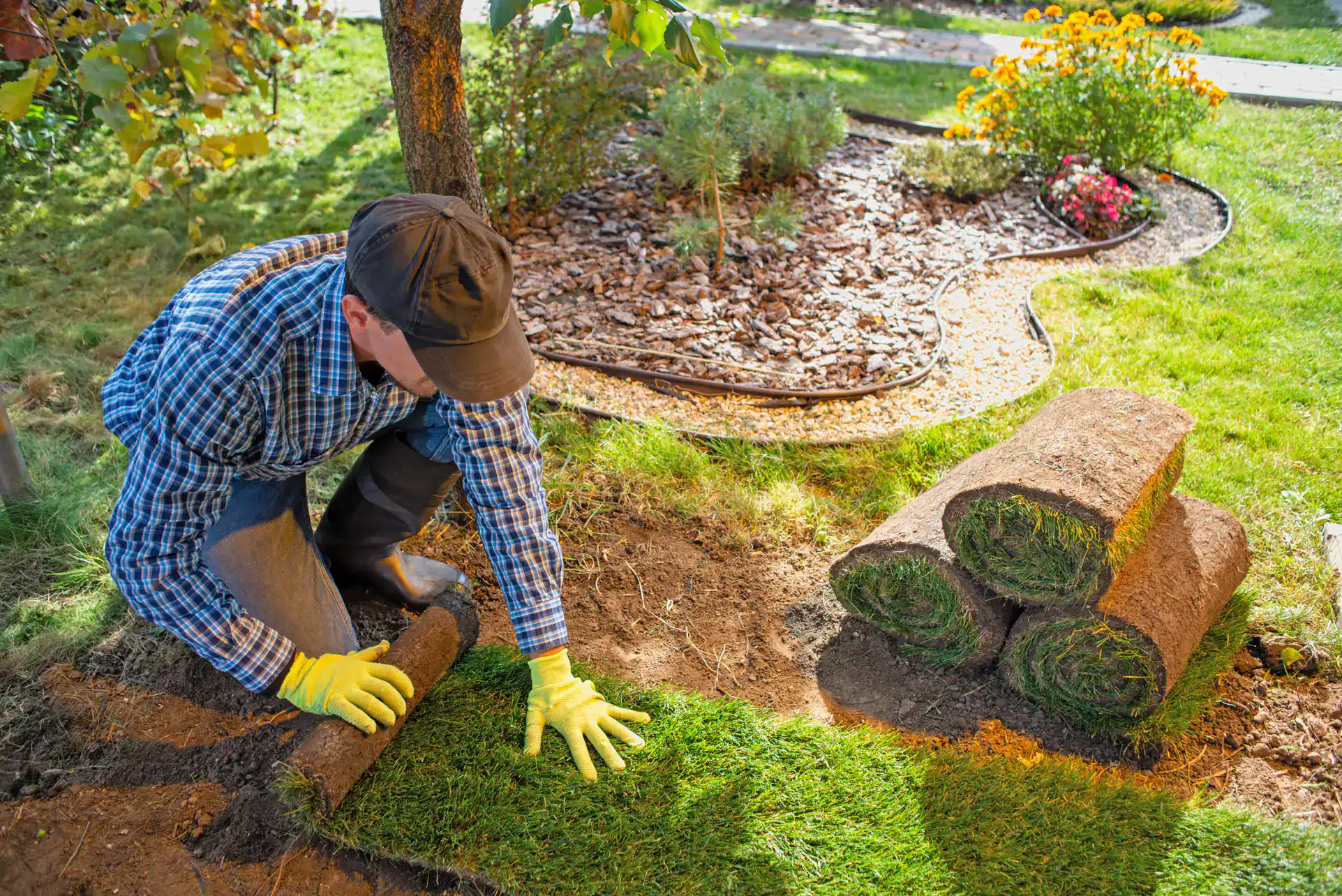
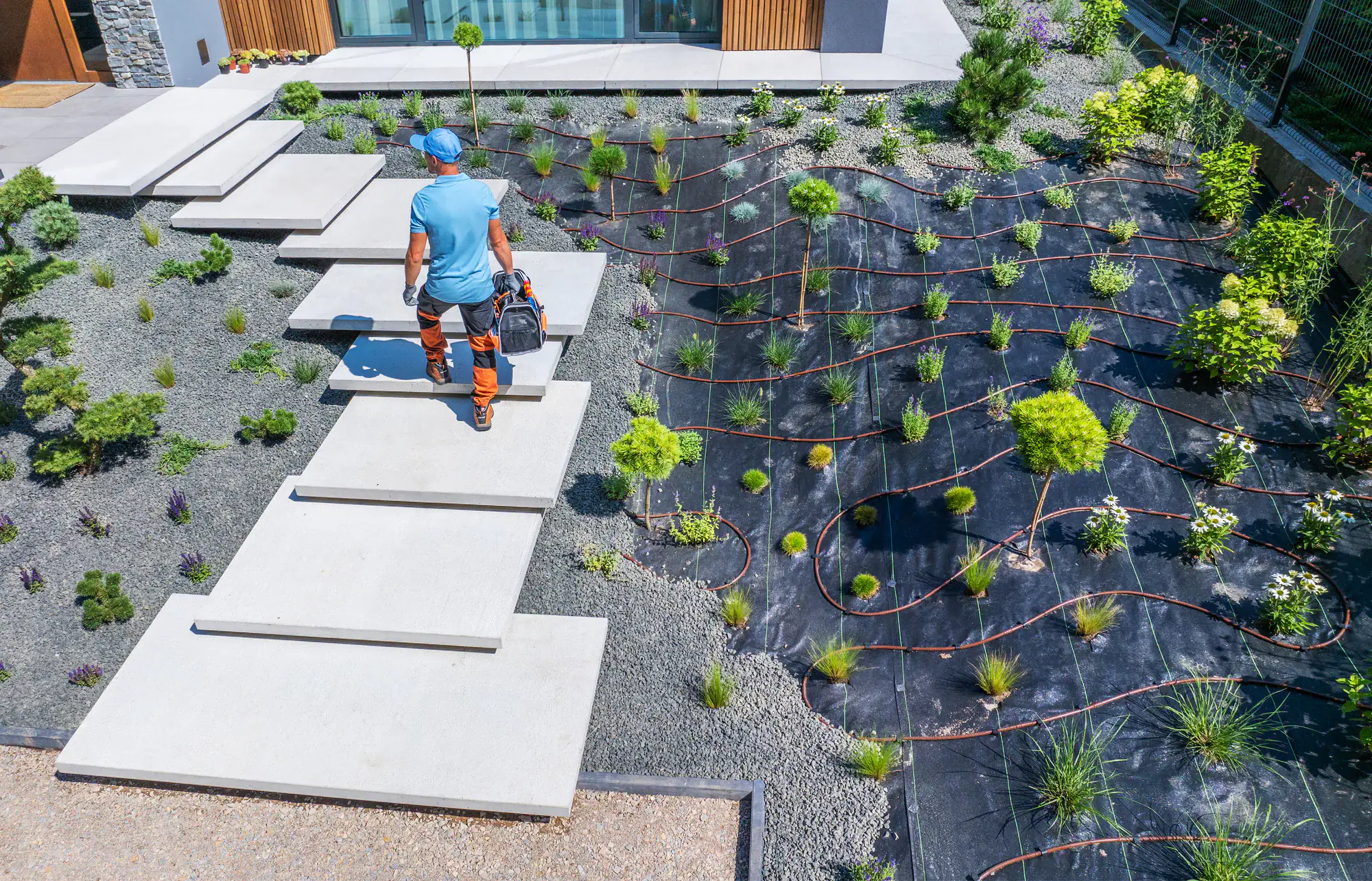
A DIY irrigation system isn’t just digging a few trenches and screwing in some sprinkler heads. For an in-ground system — the kind that actually protects your lawn and landscape long-term — you’re looking at zone design, pipe layout, pressure calibration, backflow preventer installation, controller wiring, and more. Each of those steps requires decisions that affect how well the whole system performs.
Get the zone design wrong and you’ll have dry patches on one side of the yard and waterlogged beds on the other. Miscalculate water pressure and your heads either mist uselessly in the wind or hammer your plants flat. These aren’t edge cases — they’re the most common reasons DIY systems get replaced within a few years.

What Are the Hidden Costs of DIY Irrigation Installation?
The material cost for a DIY in-ground system typically runs between $1,500 and $2,500 — and that’s before you rent a trencher ($60–$200 per day), buy the fittings you forgot, or make a second trip to the hardware store after the first layout doesn’t work. Most cost estimates people find online don’t include the tools, the time, or the mistakes.
Then there’s the correction cost. If the system design is off — wrong head spacing, mismatched zones, improper slope drainage — fixing it professionally runs anywhere from $2,400 to $4,500 depending on how long the problem goes unaddressed. A single broken irrigation line repair costs $130 to $450. Replacing a damaged sprinkler head professionally is $65 to $200. A backflow preventer replacement — if the original was installed incorrectly or failed — runs $300 to $700. These aren’t hypothetical numbers. They’re what homeowners call us about every spring.
There’s also the water bill to consider. A poorly designed system doesn’t just fail to water your lawn correctly — it wastes water doing it. A properly calibrated system with smart scheduling has shown average water savings of 36% in real-world studies. If your DIY system runs inefficiently for two or three seasons before you notice, you’ve already spent more on water than the installation savings were worth.
And finally — permits. Many homeowners don’t realize that irrigation work connected to the public water supply in Suffolk County requires specific licensing under county code. Several Long Island water districts also require a permit application and site plan before any irrigation work begins, along with a filing fee. Homeowners who skip this step and then try to sell their property — or who get flagged during a renovation — can find themselves paying a licensed contractor to redo work that was already “done.”
How Long Island's Sandy Soil Changes Everything About Irrigation Design
Most irrigation guides are written for a national audience — and that means they’re written for soil that holds water. Long Island’s soil doesn’t. Suffolk County’s geology is glacial in origin, which means the ground here is predominantly sandy and drains fast. Water moves through it quickly, which sounds fine until you realize it means your irrigation system needs to run on shorter, more frequent cycles rather than the long, infrequent ones that work elsewhere.
A system designed without accounting for this will underwater your lawn even when it’s running on schedule. You’ll see dry patches, stress lines, and browning — and assume the system is broken — when really it was just designed for the wrong soil type.
Coastal properties add another layer of complexity. Salt air accelerates corrosion on standard metal irrigation components, including heads, fittings, and backflow preventers. Properties in Montauk, Amagansett, and along the oceanfront in Southampton face this more acutely than inland areas, but it’s a real factor across most of the East End. Materials that hold up fine in Westchester or Connecticut will fail faster here. Knowing which components are rated for coastal exposure — and which aren’t — is something that comes from working in this specific environment for years, not from reading a product spec sheet.
Freeze-thaw cycles near the coast are also more severe than most homeowners expect. Water left in irrigation lines through the first hard freeze will expand, crack pipes, and create repairs that show up as soggy spots or dead zones in spring. Proper winterization — professionally blowing out the system before the season ends — isn’t optional in this climate. It’s the difference between a system that lasts 20 years and one that needs significant repair every other spring.
Professional Irrigation Installation: What You're Actually Paying For
Professional irrigation installation in Suffolk County typically runs between $2,500 and $6,500 for a residential property, depending on size and system complexity. That range sounds wide, but it reflects real differences in zone count, controller type, and site conditions. For larger properties — over an acre — costs can go higher.
What that price includes is the part most people don’t fully think through. It’s not just labor. It’s a site evaluation, a custom zone design built around your specific soil and plant layout, permit management with your local water district, backflow preventer installation that meets Suffolk County code, smart controller setup, a full system walkthrough after installation, and — depending on who you hire — a warranty that actually means something.
What Does a 1-Year Irrigation Warranty Actually Cover — and Why Does It Matter?
Most contractors in this area offer a warranty of somewhere between 30 and 90 days. That’s the industry norm, and it’s not much. A system can run fine for two months and then develop a zone failure, a controller issue, or a backflow problem that costs hundreds to diagnose and repair. If you’re outside the warranty window, that’s entirely on you.
We offer a 1-year warranty on both labor and materials — significantly longer than what most contractors in Suffolk County provide. That means if anything fails within the first year, we come back and fix it. No separate service call fee, no debate about whether it’s a materials issue or an installation issue. It’s covered.
For Hamptons homeowners who aren’t on-site year-round, this matters even more. A seasonal property in Bridgehampton or East Hampton might run its irrigation system all summer with no one watching closely. If a zone fails in late June and the property isn’t checked until August, you’re looking at a dead lawn and potentially a large water bill. A warranty doesn’t prevent the failure, but it ensures the repair doesn’t become another unexpected cost on top of it. That peace of mind is part of what professional installation is actually selling — not just the system itself, but the accountability that comes with it.
We also take a one-job-at-a-time approach, which matters more than it sounds. When a contractor is managing five projects at once, your installation gets a fraction of the attention it needs. We commit to your project until it’s done right before moving to the next one. That’s how you avoid the kind of rushed work that creates warranty claims in the first place.
How Does Professional Irrigation Installation Handle Suffolk County's Permit Requirements?
This is the part most homeowners don’t think about until it’s too late. Irrigation work connected to the public water supply in Suffolk County falls under specific county code requirements, and many local water districts require a permit application — including a site plan and filing fee — before any installation work begins. The New York State Department of Health also has its own form that applies in certain districts.
A licensed contractor handles all of this. We manage the permit applications, coordinate with the relevant water district, and schedule any required inspections. For homeowners, that’s one less thing to navigate — and more importantly, it means the system is installed in compliance from day one.
When you install an irrigation system without the proper permits or licensing, you create a problem that doesn’t always surface immediately. It might show up when you go to sell the property and a buyer’s inspector flags unpermitted work. It might come up during a renovation when a contractor notices the system wasn’t installed to code. Either way, the resolution typically involves hiring a licensed contractor to assess, document, or redo the work — which costs more than doing it right the first time.
We’ve worked with homeowners across Southampton, Southold, East Hampton, and throughout the East End who’ve come to us after exactly this scenario. The work was done by someone cheaper, the permits were skipped, and now there’s a problem to solve. Getting licensed, insured work from the start — with documentation and a warranty — isn’t just about quality. It’s about protecting the investment you’ve already made in the property.
Should You DIY Your Irrigation System or Hire a Professional in Suffolk County?
For above-ground or very simple drip setups, DIY can work. But for an in-ground system on a Long Island property — with sandy soil, coastal exposure, local permit requirements, and a landscape worth protecting — the math usually favors professional installation when you account for everything honestly.
The upfront cost difference between a quality DIY attempt and professional installation is smaller than most people expect. And when you factor in the cost of mistakes, water waste, permit complications, and repairs, professional installation often ends up being the more affordable choice over three to five years — not just the more convenient one.
If you’re weighing this decision for a property in Southampton, East Hampton, Bridgehampton, or anywhere across the East End, we’re happy to walk you through what your specific property actually needs. Give us a call at (631) 678-5629 — we’re available Monday through Friday, 9:00am to 5:00pm, and we’ll give you a straight answer.