Summary:
If you’ve ever bought beautiful plants at a local nursery, had them installed, and watched them die by August — you’re not alone. The Hamptons looks easy from the outside, but the combination of sandy, fast-draining soil, salt air off the Atlantic, and one of the densest deer populations on Long Island makes plant selection genuinely tricky. What thrives in a Southampton garden often fails completely two towns over, or in a yard that sits closer to the bay. This guide is for homeowners who want to shop smarter, plant better, and stop replacing the same things every spring.
The Best Local Nurseries for Landscape Maintenance Projects in the Hamptons
There’s no shortage of garden centers on the East End, but a handful of them stand out — not just for selection, but for the kind of local knowledge that actually matters when you’re planting in Hamptons conditions.
Marders Garden Center in Bridgehampton, at 120 Snake Hollow Road, is the one most landscape professionals reach for first. They’ve been at it for over four decades, and their selection of rare specimens alongside proven East End performers is genuinely difficult to match. If you’re looking for something specific — or something you didn’t know you needed — Marders is worth the trip.
Southampton Nursery at 542 County Road 39 has been landscaping the Hamptons since 1957. Three generations of local expertise means they understand what this soil does to plants over time, not just at planting. Fowler’s Garden Center, formerly Lynch’s, at 175 N Sea Road in Southampton, has been the go-to trade supplier and homeowner resource for over 80 years. They carry “Lynch’s Mix,” a grass seed blend developed specifically for East End light and soil conditions — the kind of hyper-local detail that separates a knowledgeable nursery from a generic garden center.
Garden Centers in East Hampton Worth Knowing About
East Hampton has its own strong nursery scene, and a few of these spots are worth making part of your regular rotation depending on what you’re working on.
Whitmores Landscaping and Tree Farm at 4 Hardscrabble Court has been family-run since 1945. Their specialty is large shade and ornamental trees — they travel across the country to source them, which means their inventory reflects a level of curation you won’t find at a big-box store. If you’re looking to add a significant specimen tree to your property, this is the place to start. Wittendale’s Florist and Greenhouses at 89 Newtown Lane has been operating out of the same East Hampton Village location since 1983. One longtime customer put it simply: when she first moved to East Hampton, most nurseries didn’t have the selection or range that Wittendale’s has. That reputation has held.
East Hampton Gardens on Gingerbread Lane takes a different approach — it’s as much a curated home and garden shop as it is a nursery, and it’s worth a visit if you’re thinking about how your outdoor space connects to your interior aesthetic. Aspatuck Gardens, also in the East Hampton area, earns strong reviews for their design-forward approach and responsive team. And Hampton Nursery and Landscape rounds out the local options with a solid selection of annuals, perennials, trees, shrubs, and herbs — they’re open Monday through Saturday starting at 7am, which makes them a practical first stop before a full day of project work.
For homeowners in Sag Harbor and the surrounding area, Sag Harbor Garden Center is a well-regarded option that comes up consistently in local recommendations. Eastland Farms, operating since 1993 in the Westhampton Beach area, earns five-star reviews and consistent praise for a staff that actually knows their inventory. Warren’s Nursery and The Bayberry round out the list as two additional local options that appear repeatedly in East End gardening conversations — both worth exploring depending on what your project calls for.
What to Actually Look for When You're at the Nursery
Walking into any of these nurseries with a general idea of what you want is fine. Walking in with an understanding of your specific conditions is better.
The East End’s soil is the result of the last glacial advance — sandy, well-draining loam that loses nutrients quickly and dries out fast between waterings. That’s an important starting point for any plant conversation at the nursery. A plant that does well in heavier, moisture-retaining inland soil may struggle here without soil amendment and consistent irrigation. Ask the staff directly: does this plant work in sandy, fast-draining soil? Does it handle salt exposure? Will the deer leave it alone?
Deer pressure is not abstract on the East End. White-tailed deer are dense throughout Southampton, East Hampton, and Bridgehampton, and they are not subtle about what they eat. Ornamental grasses, lavender, Russian sage, catmint, and native bayberry tend to hold up well. Hostas, roses without protection, and many tulip varieties do not. If a nursery staff member can’t speak specifically to deer resistance in this area, that’s worth noting.
The same goes for salt tolerance. Properties within a mile or two of the ocean or Peconic Bay face real salt exposure — both from air and occasional spray. Plants that look perfect in the nursery can show salt burn within a season if they weren’t selected with that in mind. Locally beloved options like Montauk Daisies and Beach Roses aren’t just iconic East End plants — they’re proven performers in exactly these conditions. They’re also the kind of plants that, once established, become a genuine part of the landscape rather than something you’re replacing every couple of years.
Lawn Maintenance in the Hamptons: What Good Upkeep Actually Looks Like
Lawn maintenance gets reduced to mowing in a lot of conversations, but that’s only the most visible part of what keeps a Hamptons property looking the way it should. The underlying work — fertilization timed to seasonal needs, weed control that doesn’t damage the turf, irrigation management that accounts for how quickly sandy soil dries out — is what separates a lawn that holds up through August from one that starts looking tired by the Fourth of July.
For a property that’s expected to look its best during peak summer season — when the Hamptons social calendar is in full swing — that time investment adds up fast. Most homeowners underestimate how much work goes into maintaining the landscape they want.
How to Keep a Hamptons Lawn Healthy Through the Full Season

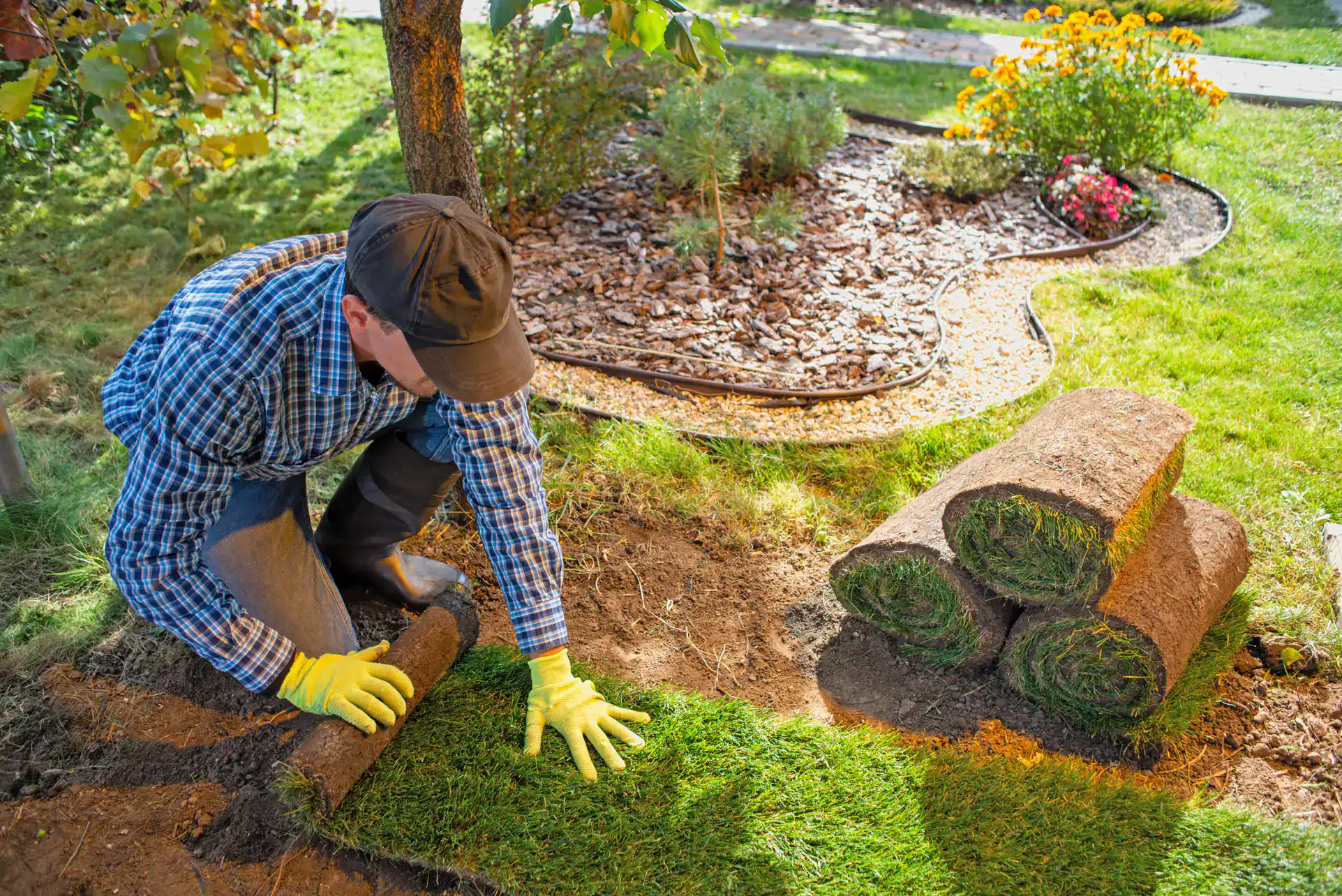
A well-maintained Hamptons lawn starts in spring, well before Memorial Day. That’s when beds get cleaned out, soil gets assessed, and turf that took a hit over winter gets addressed before it becomes a bigger problem. Grass seed selection matters here more than most people realize. Fowler’s carries “Lynch’s Mix” — a blend developed specifically for the shade and light conditions common on the East End — and it’s the kind of detail that makes a real difference in how your lawn establishes and holds through a dry summer.
Through the growing season, consistent mowing and edging keeps things looking sharp, but the work underneath — fertilization schedules, weed pressure management, irrigation system checks — is what keeps the lawn actually healthy rather than just trimmed. Sandy soil loses nutrients faster than most homeowners expect, which means fertilization timing and formulation matter more here than they would in a less porous growing environment.
Fall is when a lot of Hamptons lawns lose ground. Leaf removal, final mowing heights, and proper winterization of the irrigation system are all steps that either protect the lawn through winter or set it back. A property that gets proper fall attention is dramatically easier to bring back in spring than one that doesn’t. This is especially relevant for seasonal residents who aren’t on-site to monitor conditions — the fall window closes quickly, and missing it usually means a more expensive spring.
Garden Maintenance Services: From Nursery Selection to Year-Round Care
There’s a gap that comes up more often than it should in the Hamptons: a homeowner visits one of the local nurseries, makes a thoughtful selection, brings the plants home, and then can’t find someone to install them properly before the planting window closes. The plants sit in their pots, the soil dries out, and by the time installation happens the plants are already stressed. It’s a frustrating and avoidable situation.
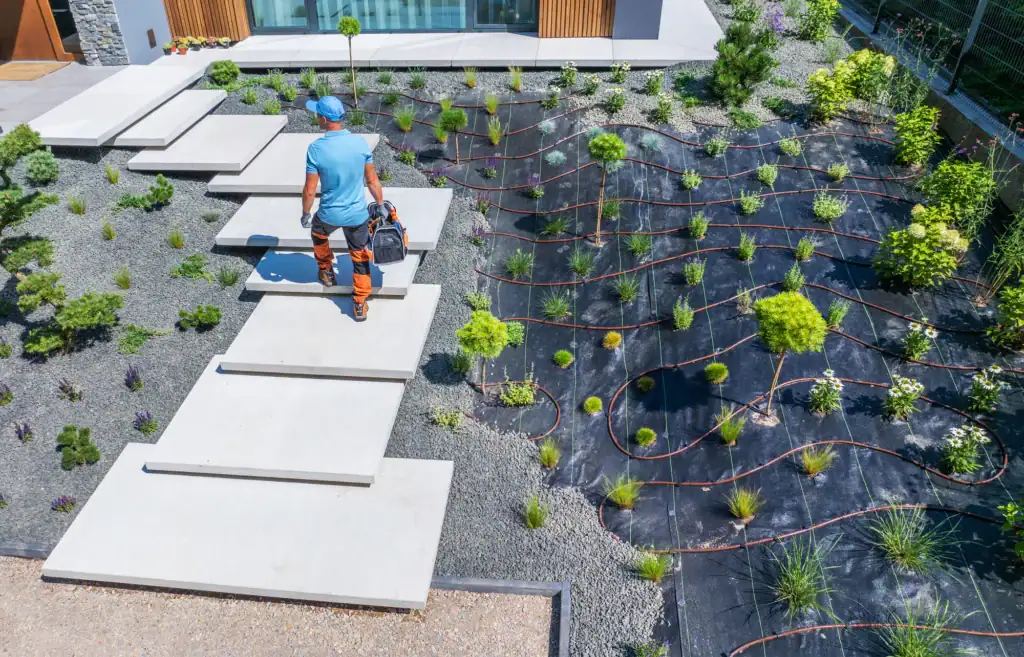
We close that gap. It’s not just about planting — it’s about knowing how to amend sandy Hamptons soil before anything goes in, how to set up irrigation that matches the water needs of what was planted, and how to establish a maintenance rhythm that keeps beds looking good without requiring constant intervention. Mulching, for example, is often treated as cosmetic, but in sandy, fast-draining East End soil it plays a real functional role — it slows moisture loss, moderates soil temperature, and reduces the weed pressure that otherwise requires constant hand-pulling through the summer.
Pruning and trimming are another area where our knowledge earns its keep. Cutting at the wrong time — or the wrong way — sets plants back or eliminates the following season’s blooms. Hedges that get trimmed without attention to their natural growth habit look fine for a few weeks and then become a problem. We make decisions that support the plant’s long-term health, not just its appearance on the day of the visit.
For seasonal residents, our garden maintenance services also provide something harder to quantify: the confidence that your property is being looked after when you’re not there. We show up consistently, communicate clearly, and handle problems before they become visible.
How to Find a Landscape Maintenance Company Worth Trusting in the Hamptons
The Hamptons has no shortage of people willing to maintain your property. What’s harder to find is someone who shows up when they say they will, knows what actually grows in this specific environment, and stands behind the work after the invoice is paid. Those three things — reliability, local knowledge, and accountability — are what separate a frustrating contractor experience from one that actually adds value to your property.
When you’re evaluating anyone for landscape maintenance work in Southampton, East Hampton, or Bridgehampton, ask whether they hold a Suffolk County Home Improvement Contractor license. Ask whether they carry liability insurance. Ask whether there’s any warranty on the work. These aren’t unreasonable questions — they’re the baseline for professional work on a high-value property.
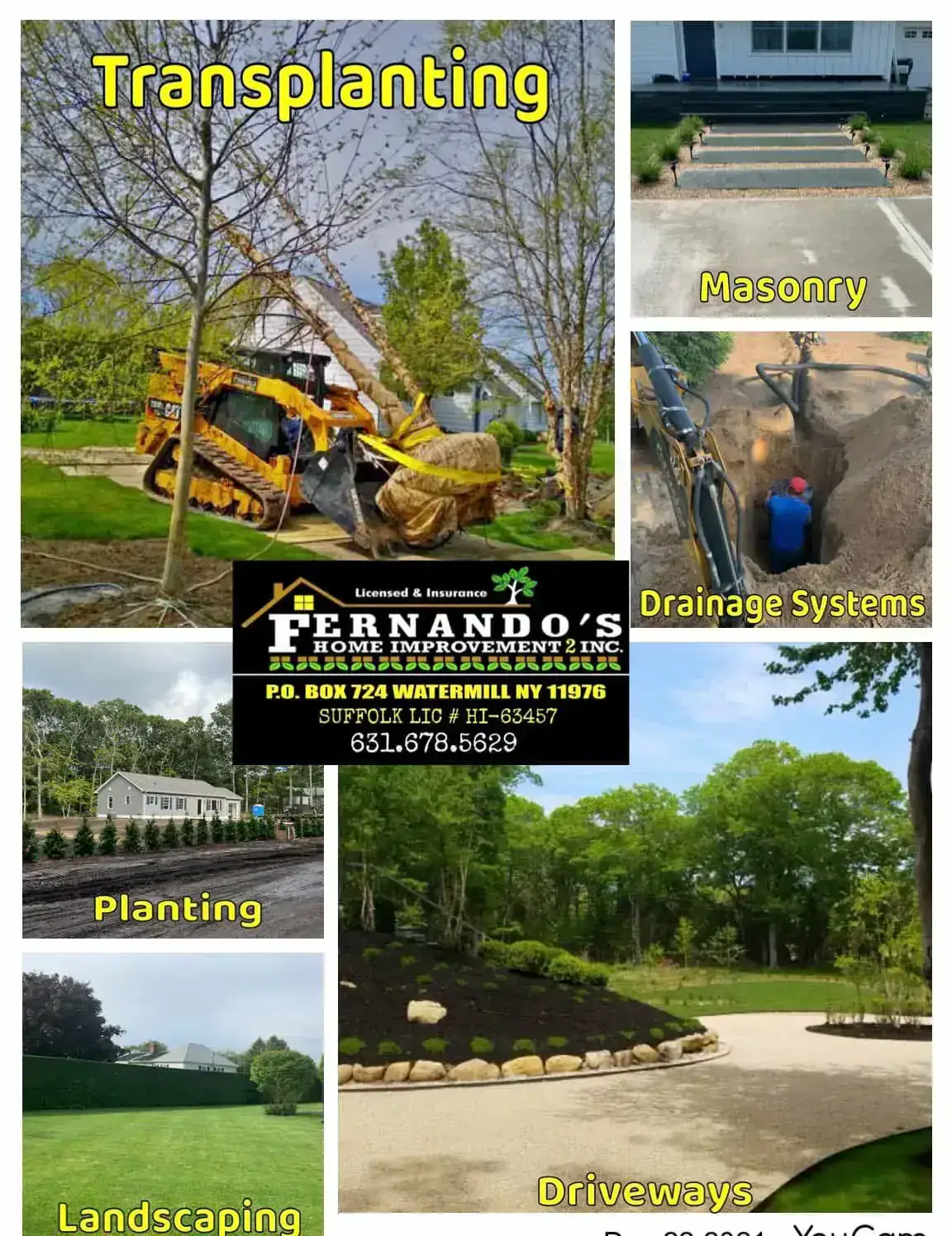
We’ve been working in Suffolk County for over twenty years. Every project comes with a one-year warranty on both labor and materials, and we handle one job at a time — which means your property gets full attention from start to finish, not whatever’s left after a dozen other jobs get scheduled ahead of it. If you’re ready to talk through what your property needs this season, give us a call directly at 631-678-5629.