Summary:
You bought a place in the Hamptons because you wanted somewhere beautiful to escape to. But somewhere between the city and the East End, the outdoor space stopped keeping up with the rest of the property. The lawn looks tired. The beds are overgrown or bare. The entertaining area never quite came together. You know it needs attention — you just can’t be there every week to manage it. That’s exactly the situation our virtual landscape design was built for. This post walks you through how it works, what the process actually looks like from your end, and what to ask before you hire anyone to touch your property.
What Is Home Garden Design — and What Does "Virtual" Actually Mean?
Home garden design is the same process whether it’s done in person or remotely — site analysis, plant selection, layout planning, material specification. The difference is that our communication happens entirely remotely. Instead of walking your property in person, you share photos, a video walkthrough, basic measurements, and some notes on how you use the space. From there, we build a plan specific to your property and share it digitally for your review.
You go back and forth over video call or email, refine the plan until it’s right, and approve everything before a single plant goes in the ground. For someone who lives in Manhattan and visits the Hamptons on weekends, this isn’t a workaround — it’s a better fit than the traditional model.

Hamptons Landscape Design Has Conditions Most Online Designers Don't Know About
Here’s where the national virtual design platforms fall short. Services like Yardzen or similar apps can produce a beautiful-looking plan — but it’s built for a generic suburban yard, not a property on the East End of Long Island.
The Hamptons has a specific set of conditions that determine whether a landscape thrives or fails within a season. The soil out here is sandy glacial outwash — it drains fast and holds almost no nutrients. Plants that do fine in a garden in Westchester will struggle here without the right irrigation setup and soil amendment strategy. Then there’s the salt air. If your property is within a mile or two of the ocean or the bay, that’s a constant presence, and it affects everything from plant selection to the materials used in your hardscaping. Cheap metalwork corrodes. Non-salt-tolerant shrubs look burned by midsummer.
Deer pressure is the other thing most out-of-area designers underestimate. Suffolk County has one of the highest deer densities in New York State. If your planting plan doesn’t account for that — if it includes hostas, tulips, or other favorites — you’ll come out for Memorial Day weekend and find bare stems. We know this going in because we’ve spent years working in Southampton and East Hampton. We’re not selecting plants from a generic catalog; we’re choosing species that have proven themselves in this specific environment: lavender, ornamental grasses, native bayberry, catmint, boxwood, white hydrangeas.
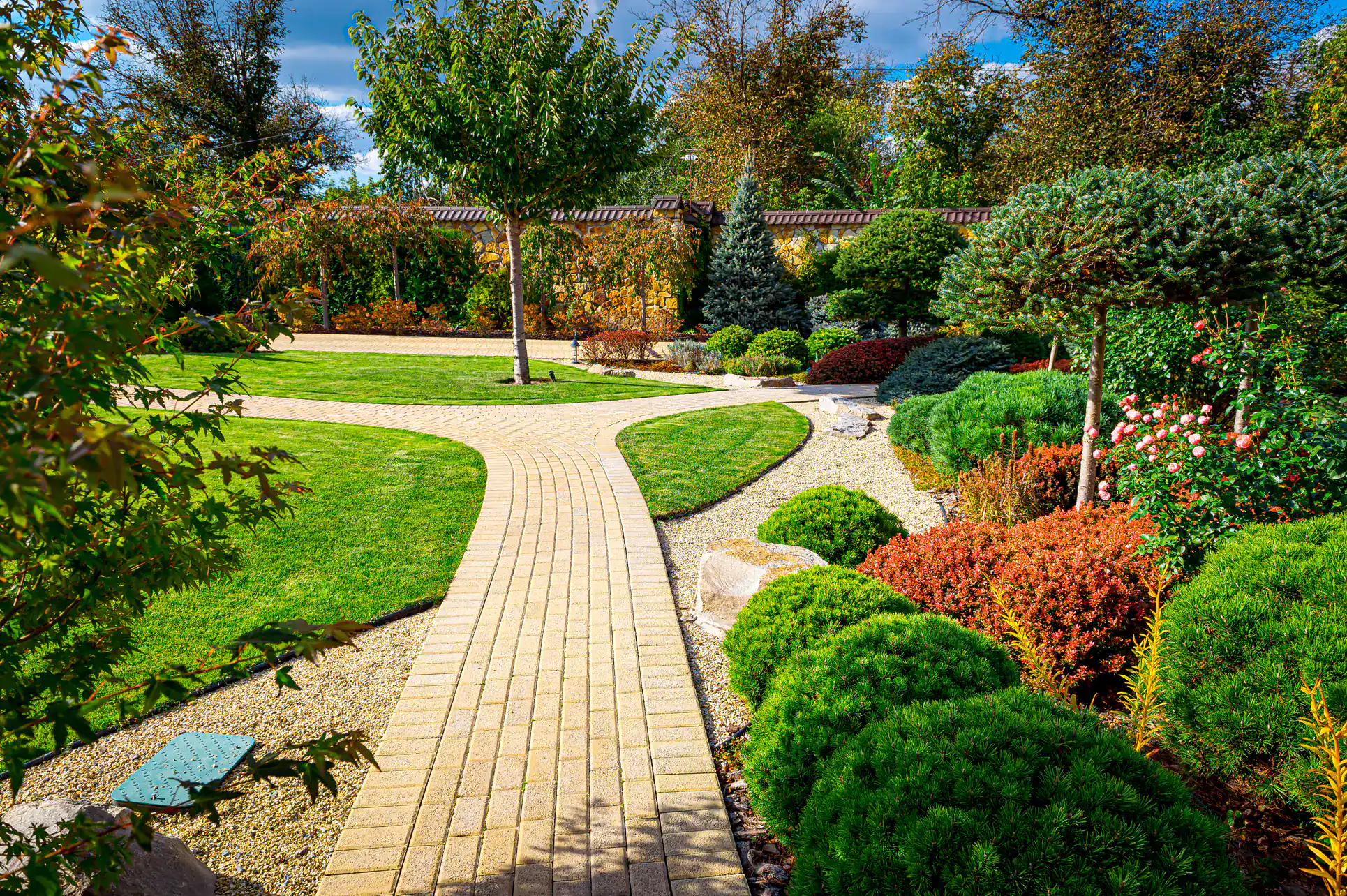
The Hamptons also has a recognizable aesthetic that a good landscape plan should speak to — structured privet hedges, open lawn, weathered stone, restrained planting palettes that complement the architecture rather than compete with it. That comes from spending years working on properties in this market.
How the Virtual Design Process Works When You're Based in the City
The process is more straightforward than most people expect. It starts with a conversation — a phone or video call where you describe the property, share what’s not working, and talk through what you want the space to feel like. From there, you send over photos and a rough walkthrough video. A smartphone is all you need; you don’t need to hire a photographer or measure every inch of the yard.
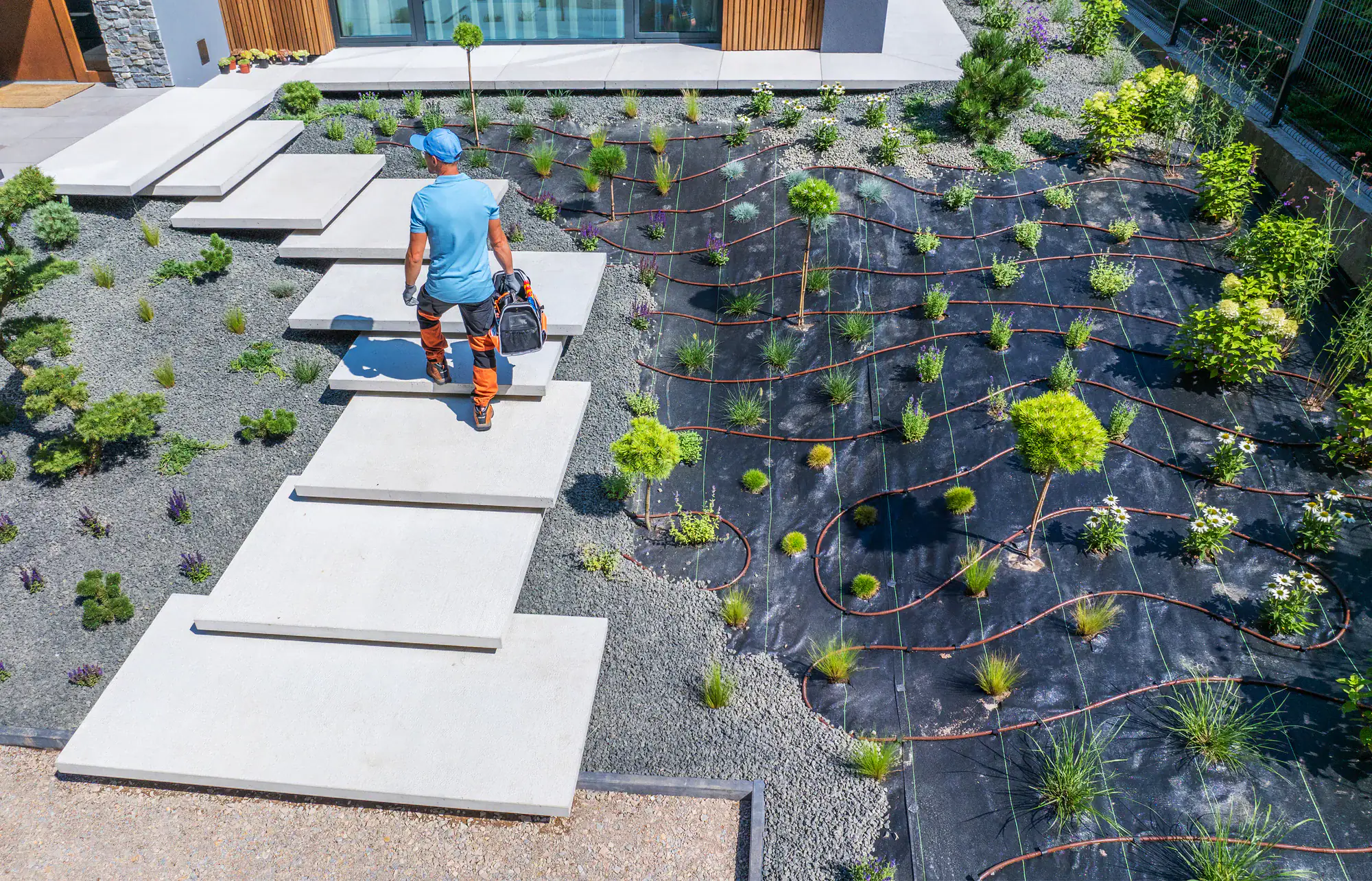
We take that information and build a plan. For a Hamptons property, that means a layout that accounts for your specific soil conditions, the sun and shade patterns on that particular lot, the wind exposure, how close you are to the water, and what the deer situation looks like in your area. You review the plan digitally — a 2D layout, planting list, and material specs — and request any changes. Nothing gets ordered, nothing gets installed, until you’ve signed off on it.
What this means practically is that you’re not flying blind. You’re not calling your contractor from the city hoping the work looks the way you imagined. You’ve already seen it on paper, asked your questions, and made your decisions. The installation is just the execution of a plan you already approved.
For absentee owners, that front-loaded process is the whole point. The anxiety of managing a contractor remotely comes from not knowing what decisions are being made without you. Virtual design eliminates that by making all the decisions visible and documented before the work starts. And when you work with us, we handle all necessary Suffolk County permits in-house — which means you’re not dealing with the paperwork side of things from a distance.
One more thing worth knowing: the best time to start this process is during the off-season. If you want your property ready for Memorial Day weekend, you need to be planning in January or February at the latest. That gives enough time to finalize the design, pull any required permits, source materials, and schedule the installation for early spring. Starting in April usually means finishing in June — which means missing the first month of summer.
Contemporary Garden Design in the Hamptons — What the Best Properties Have in Common
The properties that look most striking in Southampton, East Hampton, and Bridgehampton tend to share a few design principles. They’re not trying to do everything at once. There’s a clear structure — usually defined by hedging or a strong lawn edge — and the planting fills in within that framework rather than competing with it.
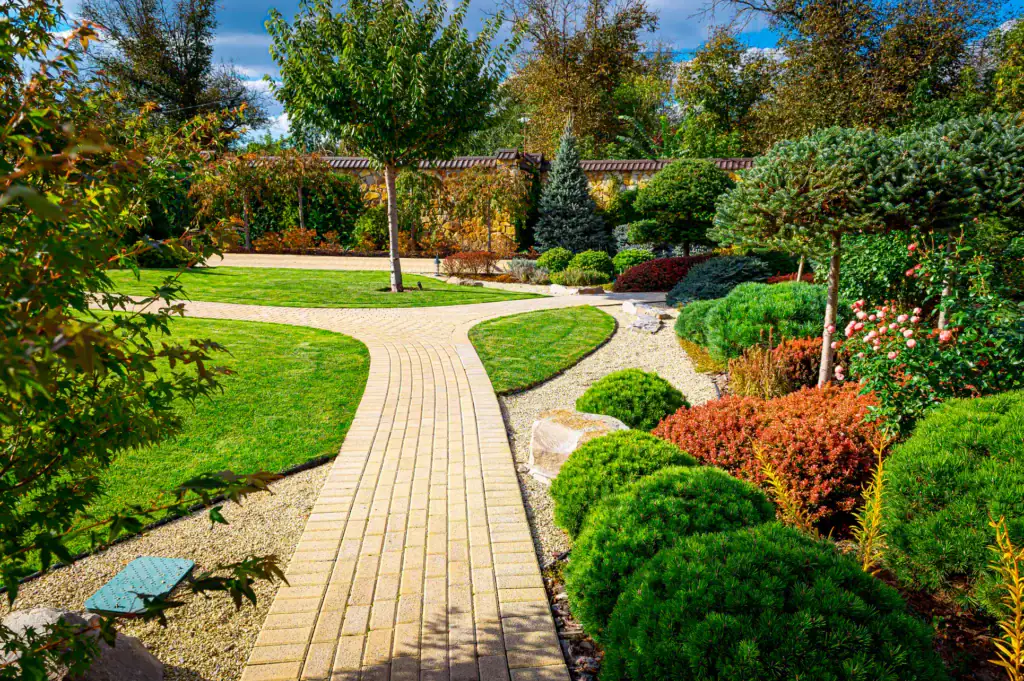
Contemporary garden design in this market leans toward clean lines, architectural plants, and a restrained color palette. It’s less about abundance and more about intention. The materials — stone, weathered wood, gravel — tend to complement the shingled architecture that defines the area rather than clash with it.
What Does Landscape Design in the Hamptons Actually Cost — and What Does It Return?
This is one of the first questions most homeowners ask, and it’s the right one to ask. The honest answer is that costs vary significantly depending on the scope — a redesigned garden bed is a very different project from a full property renovation with new hardscaping, irrigation, and plantings. But the investment context in the Hamptons is unlike almost any other market in the country.
The average Hamptons home sale price rose 89% between 2013 and 2024, according to Miller Samuel’s appraisal data. Bridgehampton alone saw over a billion dollars in home sales in a recent reporting period. In a market where the median price in Southampton Village increased nearly 30% in a single year, the financial logic of protecting and improving your property is straightforward.
The American Society of Landscape Architects estimates that professional landscaping can increase a home’s value by 15% to 20%. On a $2 million Hamptons property — well below the current median in many communities — that’s $300,000 to $400,000 in potential added value. Ninety-seven percent of Realtors say curb appeal matters when attracting buyers, and 92% recommend improving it before going to market. Well-maintained outdoor spaces aren’t just nice to have; they’re one of the highest-returning investments you can make in a property at this price point.
What’s harder to put a number on — but equally real — is the cost of getting it wrong. Hiring an unlicensed contractor who installs the wrong plants, uses materials that can’t handle salt air, or skips permits can cost far more in the long run than the upfront savings. In New York State, if an unlicensed contractor’s worker is injured on your property, you may be liable. If the work fails and there’s no warranty, you’re paying to redo it out of pocket. These aren’t edge cases in the Hamptons contractor market — they’re common enough that it’s worth asking for proof of license and insurance before anyone starts work.
Frequently Asked Questions About Virtual Landscape Design for Hamptons Properties
**Can you really design a landscape without seeing the property in person?**
Yes — and for most Hamptons properties, the combination of photos, a video walkthrough, satellite imagery, and a detailed intake conversation gives us more than enough to work with. The key is local expertise. We’ve spent twenty years working in Southampton and East Hampton, so we already know the soil conditions, the deer pressure, the coastal exposure variables, and the aesthetic standards of the area. We’re not starting from scratch on every property — we’re applying deep local knowledge to your specific site. What the photos and video provide is the site-specific detail: the sun and shade patterns, the existing plantings, the drainage situation, the relationship between the house and the outdoor space.
**What if I don’t know what I want — I just know it needs to look better?**
That’s actually the most common starting point. Most homeowners don’t arrive with a finished design vision; they arrive with a feeling that the property is underperforming relative to what it could be. A good discovery conversation will help surface what you actually want — how you use the space, what you want guests to feel when they arrive, what’s been frustrating you about the current state of the yard. From there, we build a direction and you respond to it. You don’t need to know the names of plants or the dimensions of your patio. You just need to be able to say yes or no to what you see.
**Do I need permits for landscaping work in Southampton or East Hampton?**
It depends on the scope of the work. Simple planting and lawn work typically doesn’t require a permit. But retaining walls, drainage systems, irrigation installations, and any work near wetlands or coastal areas will often require permits from Southampton Town, East Hampton Town, or the relevant village jurisdiction — and the requirements aren’t always the same across municipalities. This is one of the practical reasons it matters who you hire. We handle all necessary Suffolk County permits in-house, which removes the burden of managing that process from a distance entirely. You won’t need to call town offices from your apartment in the city to track down permit status.
**How early do I need to start planning if I want the work done before Memorial Day?**
Earlier than most people think. If Memorial Day is your target — and for most Hamptons second homeowners, it is — you need to have a finalized design and approved plan by late February or early March at the absolute latest. That allows time for permit processing (which can take several weeks depending on the scope), material sourcing, and scheduling the installation crew. Starting the conversation in April typically means the work finishes in June, which means you’ve lost the first month of summer. The off-season is the right time to plan — and virtual design makes it easy to do that from wherever you are.
Finding the Right Landscape Design Partner for Your Hamptons Property
The Hamptons is not a forgiving market for generic work. The conditions are specific, the aesthetic standards are high, and the window to get it right — before Memorial Day, before guests arrive, before summer slips by — is short. Virtual landscape design gives absentee owners a real way to stay in control of the process without needing to be on-site for every decision.
What makes the difference is who you’re working with. Local expertise, a clear process, proper licensing, and a warranty that actually backs the work aren’t extras in this market — they’re the baseline. If you own a property in Southampton, East Hampton, or Bridgehampton and you’re ready to stop putting off the outdoor renovation you’ve been thinking about, we’re here to help. Twenty years working in this market, one project at a time, with a 1-year warranty on every job. Reach out and start the conversation before the season gets away from you.