Summary:
Most lawn installation guides are written for somewhere generic — a suburb with clay soil, reliable rain, and a homeowner who’s home every day. That’s not the South Fork. Out here, you’re dealing with sandy glacial-outwash soil that drains fast, salt air that punishes the wrong grass variety, and a very real chance that you won’t be standing in your backyard during the weeks your new lawn needs the most attention. Whether you’re in Southampton, East Hampton, or Bridgehampton, the sod-versus-seed decision has real consequences. Here’s what you need to know before you make it.
Best Lawn Care Starts With Choosing the Right Installation Method
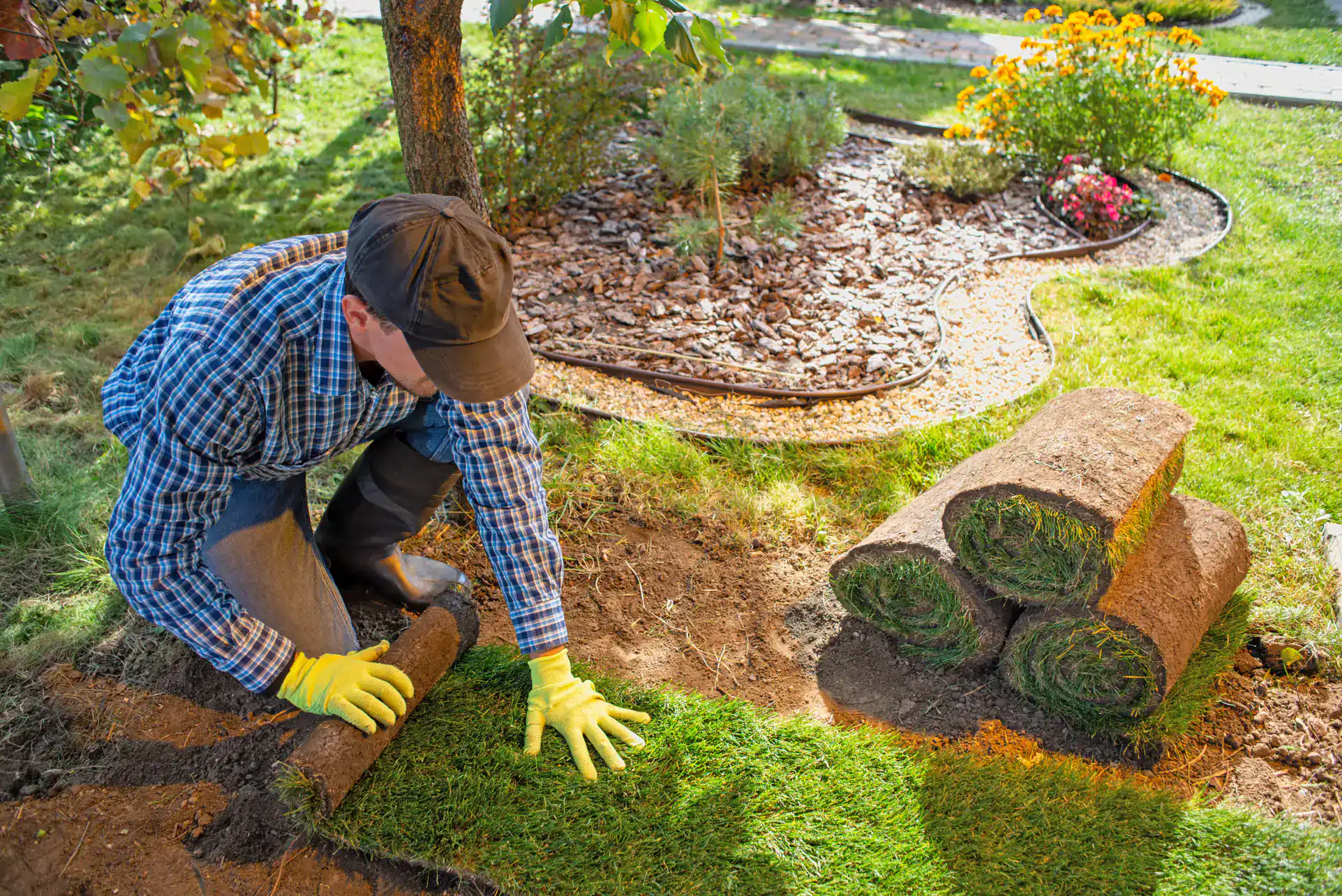
Sod and seed aren’t just two ways to get the same result. They’re different bets on different timelines, different levels of hands-on management, and different tolerances for risk. Sod is farm-grown turf that arrives ready to root. It goes down in a day and starts establishing within two weeks. Seed is cheaper upfront, but it takes months to reach the kind of density that sod delivers almost immediately.
The cost gap is real. A 5,000-square-foot lawn seeded professionally can run up to $3,750. The same area sodded professionally can reach $10,000. That difference stings until you factor in what a failed seeding attempt costs — in time, re-work, and another season of looking at bare or patchy ground. In a market where the average Hamptons home has appreciated significantly over the last decade, a lawn that fails to establish isn’t just an aesthetic problem. It’s a financial one.
Personal Lawn Care on the South Fork: Why Your Schedule Changes Everything
Here’s the part most guides skip entirely. Seeding a new lawn requires daily watering for six to eight weeks during establishment. That’s not a suggestion — it’s the difference between germination and failure. On South Fork sandy soil, which drains within hours of a rainfall, that window is even less forgiving than it would be on heavier inland soils.
If you’re in Southampton or East Hampton on weekends and back in the city Monday through Friday, traditional seeding is a significant gamble. You can set up a sprinkler on a timer, but without someone monitoring soil moisture, adjusting for weather, and catching problems early, germination rates on unamended sandy soil are low. Weeds, which are far more opportunistic than grass seed, will fill in the gaps before your lawn gets a chance.
Sod changes that equation. Once it’s installed correctly — with proper soil amendment, grading, and an irrigation system that runs on a schedule — it can establish without daily on-site supervision. The roots are already partially developed. The turf is already dense enough to resist weed pressure. You’re not starting from scratch; you’re giving an already-living plant the conditions it needs to anchor itself.
That said, sod isn’t foolproof either. It needs consistent moisture in the first three to four weeks, and it needs to be installed on properly prepared ground — not just laid down on whatever soil is already there. On the South Fork, that almost always means adding organic matter to improve water retention in the sand, grading for drainage, and selecting a grass variety suited to your property’s specific exposure. An oceanfront property in Bridgehampton faces different salt and wind conditions than a wooded lot set back from the water in East Hampton. That distinction matters when you’re choosing between tall fescue, which handles drought and partial shade well, and fine fescue blends like slender creeping red fescue, which carry the highest salt tolerance of any cool-season grass and are the better choice for properties close to the ocean or bay.
Getting that variety selection right is where local experience earns its keep. We’ve been working South Fork properties for years and have seen which grasses survive a nor’easter and which ones don’t make it through August. That’s not something you find in a generic lawn care guide.
When Does Sod Installation Actually Make Sense vs. Seeding?
The honest answer is that sod makes sense for most Hamptons property owners, most of the time. But it’s worth understanding why, rather than just taking that as a given.
Sod is the clear choice when you’re working against a deadline. If you need the lawn presentable before Memorial Day — for entertaining, for a rental season that starts in June, or for a real estate listing — seeding can’t get you there. Most sodded lawns begin rooting within ten to fourteen days and are stable enough for light foot traffic within three to four weeks. Seeded lawns need months of growth before they can handle that kind of use.
Sod also wins when you’re not going to be present during establishment. That’s the defining reality for a significant portion of Hamptons property owners — the majority of Southampton properties, for example, are non-primary residences. If you can’t be there to manage daily watering and watch for early signs of stress, sod paired with a properly designed irrigation system is the only option that gives you a realistic shot at a finished lawn.
Seeding has its place. For large areas where budget is the primary constraint, or for properties where the existing lawn just needs to be thickened rather than replaced entirely, overseeding can be a reasonable approach — provided the soil is properly amended, the variety is right for the site, and there’s a reliable irrigation plan in place. Hydroseeding is a middle-ground option that some contractors offer for larger areas, but it carries the same establishment demands as traditional seeding. It’s not a shortcut for absentee owners.
One thing worth addressing directly: the idea that seeded lawns are inherently healthier or root deeper than sodded ones. That’s a myth. Properly installed sod on well-amended soil develops root systems that are indistinguishable from seeded lawn within a single growing season. The difference isn’t in the long-term outcome — it’s in the establishment process and the risk you’re taking on while you wait.
New Lawn Installation on the South Fork: What the Process Actually Looks Like
A new lawn installation done right isn’t just laying sod or throwing down seed. It starts with the ground beneath it. On South Fork sandy soil, that means amending with organic matter to improve water and nutrient retention, grading to ensure water moves away from structures and doesn’t pool, and assessing what’s already there — whether that’s compacted soil, old root systems, or drainage problems that will undermine any new installation if they’re not addressed first.
After the ground is ready, variety selection and installation method are chosen based on the specific conditions of the property: sun and shade patterns, proximity to the ocean or bay, irrigation availability, and the timeline you’re working with. The installation itself — whether sod or seed — is only as good as the preparation that preceded it.
What Soil Preparation Actually Involves on South Fork Sandy Ground
The South Fork sits on glacial outwash plain geology. That’s a specific soil type — not just “sandy” in a vague sense, but fast-draining, low in organic matter, and prone to drying out quickly during summer heat. It’s the reason why a lawn that looks fine in May can look stressed by July, and why the same grass variety that thrives on a property in Westchester can struggle on an oceanfront lot in Bridgehampton.
Proper soil preparation for a new lawn on the South Fork typically involves tilling the existing soil, incorporating compost or other organic amendments to improve moisture retention and nutrient availability, and grading the surface so that water drains away from the house and doesn’t collect in low spots. Skipping any of these steps doesn’t just reduce the quality of the finished lawn — it often means the installation fails entirely and has to be redone.
Grading is the part that’s easiest to overlook and hardest to fix after the fact. Poor grading creates water pooling in wet seasons and dry patches in summer. It can also direct runoff toward a foundation or toward neighboring properties, which creates problems beyond the lawn itself. Getting it right requires experience reading how water moves across a specific site — something that takes time to develop and can’t be replicated by someone who hasn’t worked the terrain before.
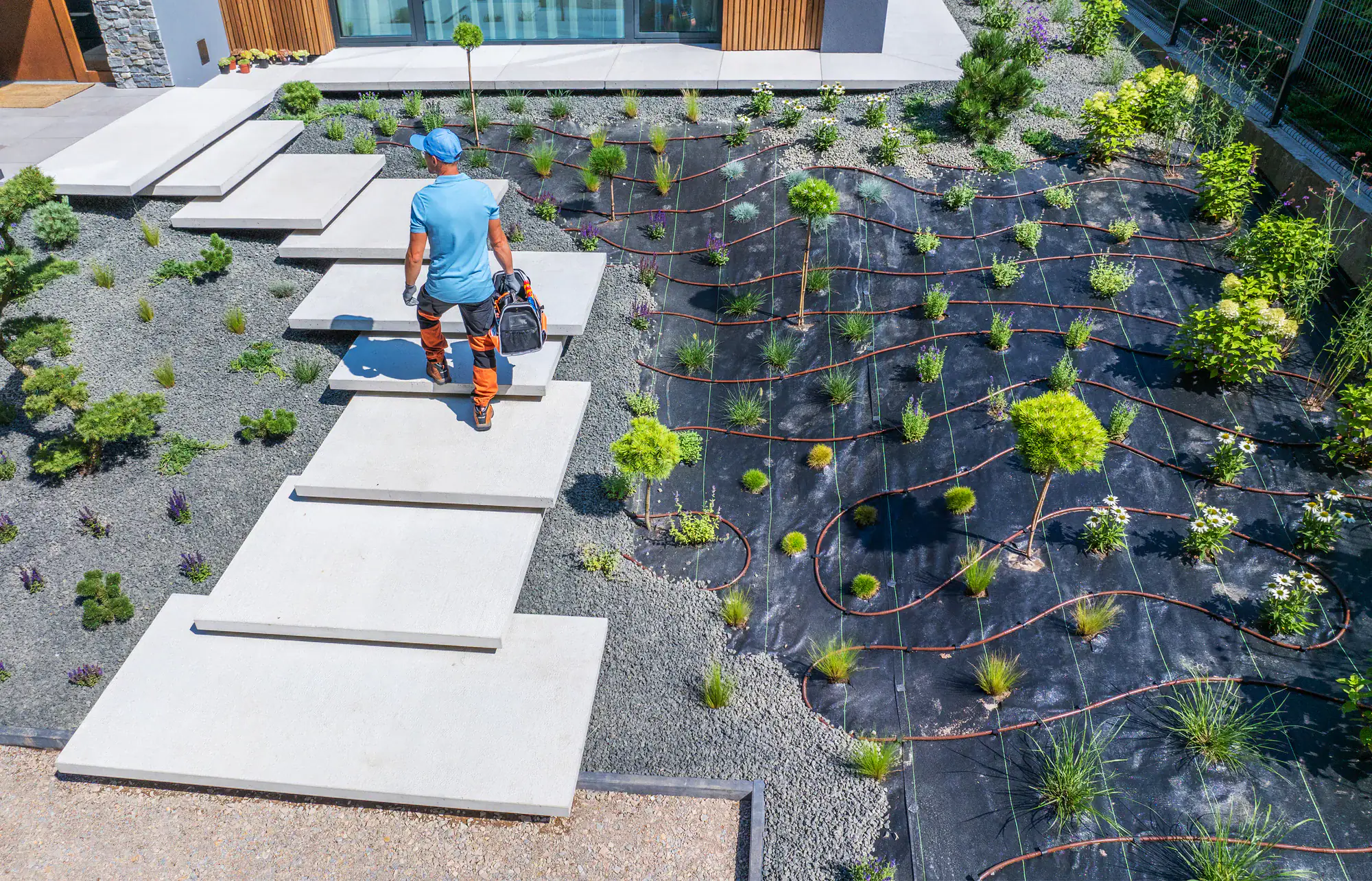
Once the ground is properly prepared, irrigation is the next consideration. For absentee owners especially, a well-designed irrigation system isn’t a luxury — it’s what makes the difference between a lawn that establishes successfully and one that doesn’t. We handle irrigation integration as part of the lawn installation process, which means the system is designed around the specific water needs of the grass variety being installed, not retrofitted afterward.
Timing Your Lawn Installation in Southampton, East Hampton, or Bridgehampton
Timing matters more than most people realize, and the South Fork’s coastal climate actually gives you a slight advantage over inland Long Island. The surrounding water moderates temperatures in both directions — springs arrive a little earlier, falls extend a little longer — which means your window for successful sod or seed establishment is more generous than it would be further inland.
The two strongest windows for new lawn installation on the South Fork are spring, from April through early June, and fall, from early September through October. These seasons offer moderate temperatures, less competition from summer weeds, and enough natural rainfall to support establishment without straining an irrigation system. Spring installations have the added benefit of aligning with the Hamptons social calendar — a lawn installed in April is established and presentable by the time summer entertaining season begins.
Summer installations are possible but significantly more demanding. Heat stress, higher water requirements, and increased risk of fungal disease in humid conditions all work against you. If you’re trying to get a lawn in during July or August, you’ll need a reliable irrigation system, careful variety selection, and realistic expectations about how much more management the establishment process will require.
Fall is an underrated window, particularly for property owners who are planning ahead. A fall sod installation on properly prepared South Fork soil will go dormant for winter and come back in spring as a fully established lawn — ready for the season before you’ve had to manage a single establishment period during peak-use months. For year-round residents and owners who are thinking about next summer rather than this one, fall installation is often the smarter move.
One practical note: if your project involves significant grading, retaining walls, or irrigation connections to municipal water, permits may be required through the Southampton or East Hampton Town building departments. We handle that process directly, which means you’re not navigating local regulations on your own or waiting on approvals without knowing where things stand.
Finding the Right Contractor for Your Hamptons Property
The sod-versus-seed question doesn’t have one universal answer, but for most South Fork property owners — working against a seasonal deadline, managing a property they’re not at every day, dealing with soil and salt conditions that punish generic approaches — sod installed by someone who knows this specific market is almost always the better investment.
What makes the difference isn’t just the material. It’s the soil prep, the variety selection, the irrigation planning, and the experience to know what this particular environment demands. A lawn that fails and has to be redone costs more than one that was done right the first time.
We back every lawn installation with a one-year warranty on both labor and materials, because we’re confident in the work and we think you should have that assurance in writing. If you’re ready to stop guessing and start planning, reach out to us directly — we take on one project at a time, and we give it our full attention until it’s finished.
—
**Frequently Asked Questions**
**Is sod or seed better for a new lawn in the Hamptons?** For most Hamptons property owners, sod is the more practical choice. The South Fork’s sandy, fast-draining soil makes seeding establishment difficult without daily irrigation management — something that’s genuinely hard to maintain if you’re not on the property during the week. Sod, installed on properly amended soil with an irrigation system in place, can establish successfully without constant on-site supervision. If budget is the primary constraint and you have a reliable irrigation setup, seeding is worth discussing — but the timeline difference is significant.
**What grass grows best in South Fork sandy, salt-exposed soil?** Cool-season grasses are the right choice for the South Fork, which sits in USDA Zone 7a/7b. Tall fescue is widely used because its deep root system handles sandy soil and drought stress well, and it tolerates partial shade. For properties with direct ocean or bay exposure — particularly in Bridgehampton, Sagaponack, or along the Southampton oceanfront — fine fescue blends, especially slender creeping red fescue, are often the better call. That variety carries the highest salt tolerance among cool-season grasses and holds up through the kind of onshore wind events that burn out less tolerant varieties. The right choice depends on your specific property’s sun exposure, proximity to water, and whether you have irrigation.
**When is the best time to install sod in Southampton or East Hampton?** Spring and fall are the strongest windows. On the South Fork, spring installation runs from April through early June — early enough to be fully established before summer heat arrives, and timed well for properties that need to be ready for the summer entertaining season. Fall installation, from early September through October, is an excellent option for owners planning ahead; a fall-installed lawn goes dormant over winter and comes back in spring fully established. Summer installations are possible but require significantly more irrigation and carry higher risk of heat stress and fungal issues. We’ve worked through all of these windows on South Fork properties and can help you figure out which timing makes sense for your situation.
**What are winter lawn care services, and do I need them for my Hamptons property?** Winter lawn care services typically cover the steps that protect a lawn through dormancy and set it up for a strong spring. For the South Fork, that usually means a late-fall fertilization before the first frost, which gives cool-season grasses the nutrients they need to come back healthy in spring. It can also include aeration, overseeding thin areas in early fall before temperatures drop, and making sure irrigation systems are properly winterized to prevent freeze damage. Year-round Hamptons residents — a growing segment since remote work expanded who lives here full-time — benefit most from a consistent seasonal care plan. If you had a new lawn installed this year, fall and winter care in that first year is especially important for long-term establishment.
**Do I need a permit for lawn installation in East Hampton or Southampton?** It depends on the scope of the project. Basic sod or seed installation typically doesn’t require a permit. But if your project involves significant grading, drainage work, retaining walls, or connecting a new irrigation system to a municipal water line, permits may be required through the East Hampton or Southampton Town building departments. We handle permit applications directly for projects that need them, working with both town departments as part of the project process. You don’t have to figure out what’s required on your own — that’s part of what we manage.