Summary:
If you’ve been watching what’s happening to outdoor spaces on the East End lately, you’ve probably noticed a shift. The perfectly manicured, high-intervention gardens that defined a certain era of Hamptons design are quietly giving way to something cleaner, more considered, and honestly — more interesting. Contemporary garden design has arrived in Southampton, East Hampton, and Bridgehampton in a serious way, and the homeowners driving this change aren’t doing it just because it looks good. They’re doing it because it holds up, adds real property value, and actually fits the way people use their outdoor spaces now. Here’s what’s changing, why it matters, and what to keep in mind before you start.
What Contemporary Garden Design Actually Means in 2026
“Contemporary” gets thrown around a lot in landscaping, but it’s worth being specific about what it actually means — especially in a market like the Hamptons where the word gets applied to everything from a gravel path to a full architectural overhaul.
At its core, contemporary garden design is about restraint with intention. Clean geometric structure, a limited plant palette, honest materials, and a layout that feels like it was designed rather than assembled. It’s less about filling every inch and more about making every inch count. The negative space is part of the design, not a gap waiting to be planted.
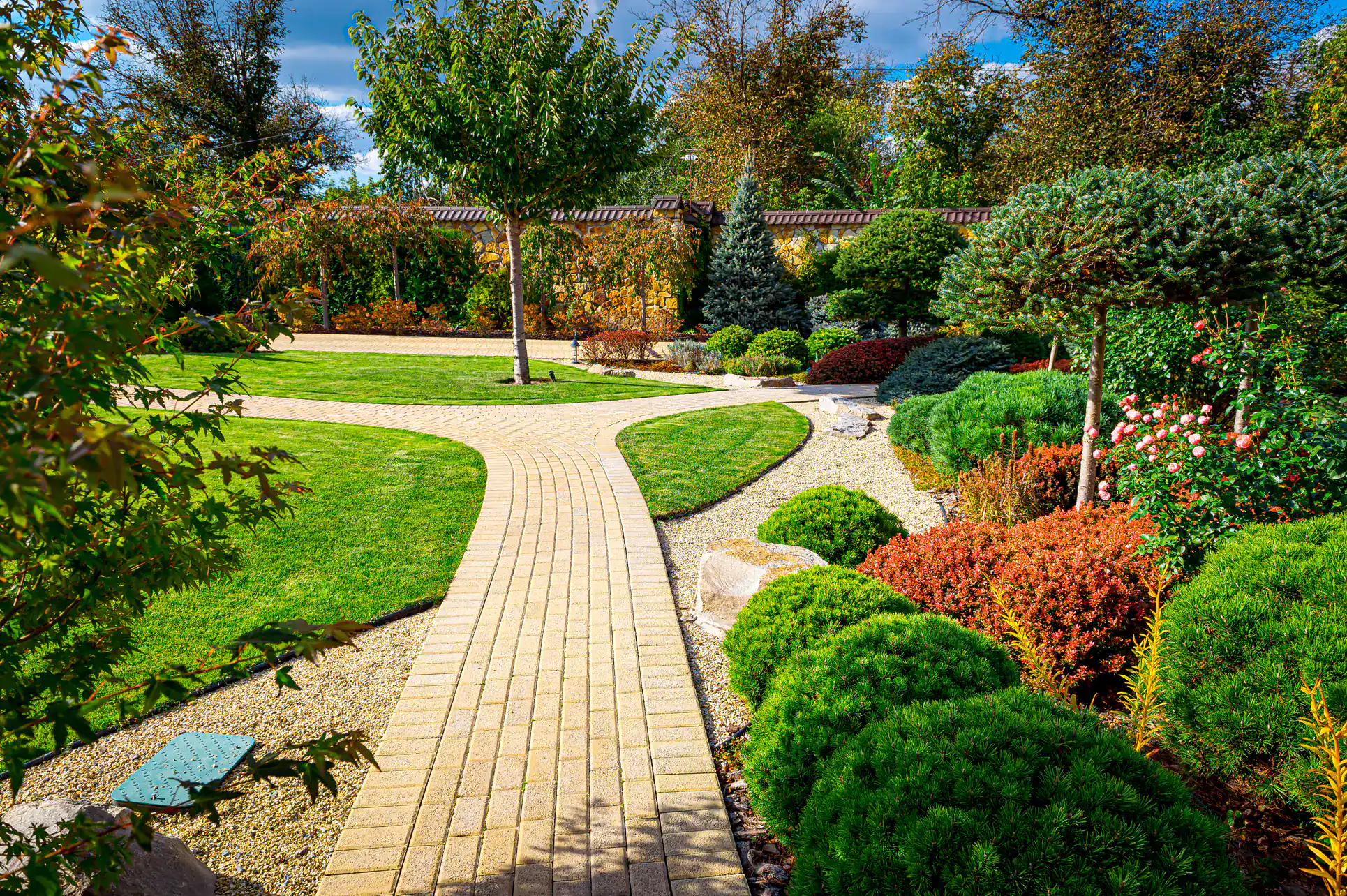
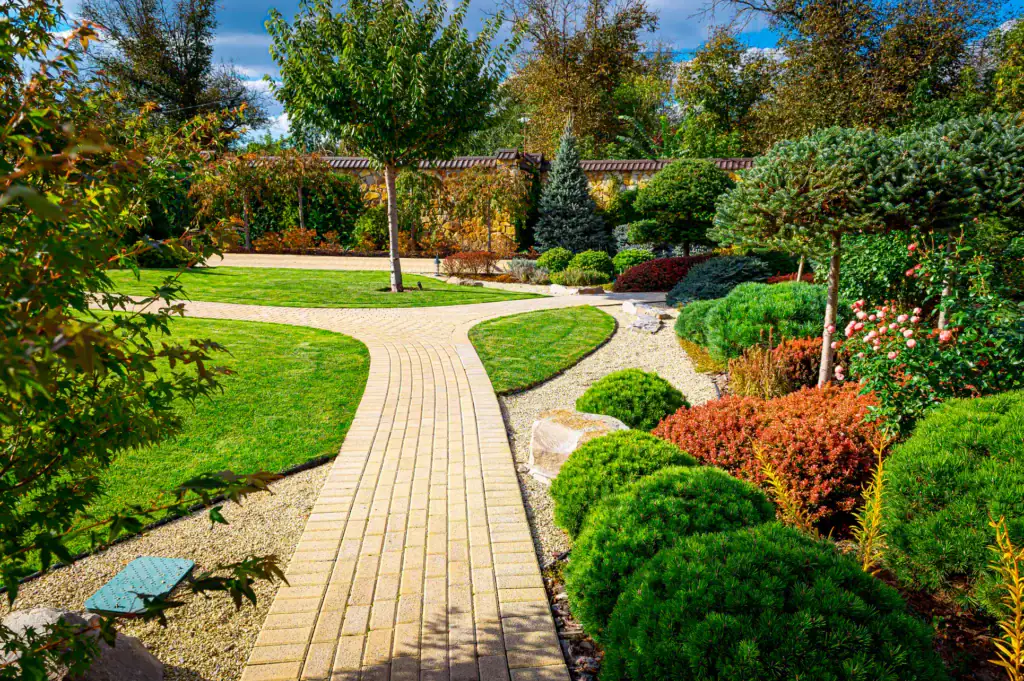
What’s changed heading into 2026 is that the aesthetic has softened. The cold, almost corporate minimalism that defined early modern garden design has given way to something warmer — natural stone, Corten steel, ornamental grasses that move in the breeze, and planting choices that feel curated rather than sparse. The goal now is a garden that looks like a seamless extension of your living space, not a separate project bolted onto the back of the house.

Small Garden Designs That Work on Hamptons Properties
Not every garden project on the East End involves sweeping acreage. A lot of the most impactful work we see happens in constrained spaces — a courtyard off the main entrance, a side yard between the house and the hedge, a pool surround that needs to do more than just drain correctly. And this is actually where contemporary design principles shine the most.
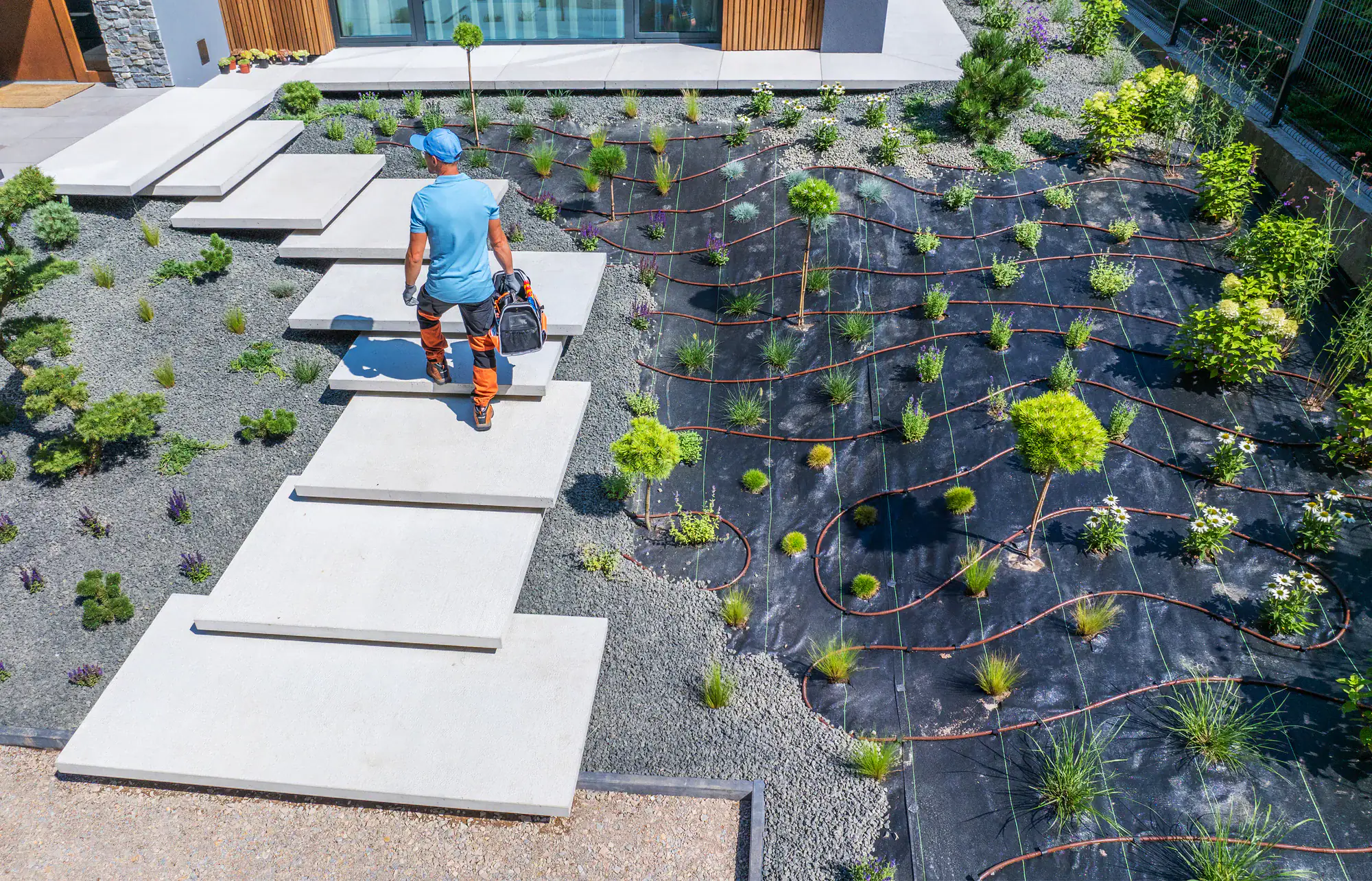
In a small garden, the discipline that defines contemporary design stops the space from feeling cluttered or chaotic. A tight plant palette — maybe three species, repeated with purpose — creates cohesion that makes a compact area feel deliberate. Geometric paving laid in large-format bluestone or porcelain draws the eye outward, making the space read as bigger than it is. A single sculptural planting, like a mass of ornamental grass anchored by a low retaining wall, does more for a small garden than a dozen different species competing for attention.
The mistake most people make in small spaces is trying to fit too much in. It comes from a good instinct — you want it to feel full and lush — but the result is usually visual noise. Contemporary small garden design works in the opposite direction. You edit down to what matters, then execute those elements with real quality materials and clean installation. The space feels considered. That’s what makes it memorable.
For Hamptons properties specifically, small garden designs also need to account for the local environment. Sandy soil means drainage isn’t usually the problem it would be elsewhere, but it does mean irrigation matters more — plants dry out faster than homeowners expect, especially during July and August when many owners are in residence and entertaining. Salt air from the Atlantic and Peconic Bay rules out a long list of materials and plants that would otherwise look great on paper. And deer pressure on the East End is relentless — Suffolk County has one of the highest deer densities in the country, which means a contemporary planting that doesn’t account for deer resistance is going to look very different by September than it did in June.
The good news is that many of the plants that work best in contemporary small garden designs are also naturally deer-resistant and salt-tolerant. Ornamental grasses like Panicum and Miscanthus, lavender, Russian sage, ornamental alliums, and catmint all hold up beautifully in the Hamptons environment while delivering the clean, architectural texture that contemporary design calls for. It’s not a compromise — it’s just knowing the environment well enough to design with it rather than against it.
The 2026 Trends Worth Paying Attention to on the East End
A few specific shifts are worth calling out for homeowners planning projects this year. The first is the move away from high-maintenance perfection. The immaculate flower bed that requires constant grooming is losing ground to plantings that are designed to look good with less intervention — native grasses, naturalistic drifts of perennials, and ground covers that fill in rather than need replacing. This isn’t about letting things go. It’s about designing for resilience from the start.
The second is materials. In 2026, the emphasis is on enduring choices over seasonal styling. Large-format stone pavers, weathered steel edging, composite decking, and natural gravel are all gaining ground over materials that need annual attention or look dated within a few years. For Hamptons properties, this matters beyond aesthetics — materials that can’t handle salt air and temperature swings will show their age fast. The East End climate is genuinely demanding, and the right material choice at the design stage saves significant money and frustration down the line.
The third trend is the integration of outdoor living into the design from the start, rather than as an afterthought. Fire features, outdoor seating areas, and kitchen spaces are being designed as part of the garden layout — not dropped into it after the fact. Contemporary design handles this well because the geometric structure gives you natural zones to work with. A defined patio area in bluestone, a planted border in ornamental grasses, a low masonry wall that doubles as seating — these elements work together when they’re planned together.
One thing the Hamptons market has always understood is that the outdoor space is part of the property’s value, not a bonus. The median home price in East Hampton has climbed 45% to $1.9 million, and the top sales in 2025 didn’t dip below $30 million. At those numbers, the garden isn’t decoration — it’s part of what you’re protecting and building on. Contemporary design, done well, is one of the cleaner ways to add both visual quality and measurable value to a property at this level.
How to Choose a Garden Design Company in the Hamptons
This is where a lot of otherwise well-researched homeowners get tripped up. The Hamptons has no shortage of landscaping companies, and the gap between the best and the rest is significant. Knowing what to look for — and what to ask — makes the difference between a garden that looks the way you imagined and one that looks like it was installed between two other jobs.
The first thing to verify is licensing. In Suffolk County, NY, residential landscaping and hardscaping work requires a licensed Home Improvement Contractor. It’s a legal requirement, and it matters more than most people realize. An unlicensed contractor who gets injured on your property can expose you to liability that your homeowner’s insurance may not cover. Ask for the license number before you agree to anything.
The second is warranty. A contractor who won’t put a warranty on their labor and materials in writing is telling you something important about how confident they are in the work. Get it in writing, and make sure it covers both.
What to Ask Garden Contractors Before You Hire
Beyond licensing and warranty, there are a few questions that will quickly separate contractors who actually know the East End from those who are figuring it out on your property.
Ask them about plant selection for coastal conditions. A contractor who has been working in Southampton, East Hampton, and Bridgehampton for years should be able to speak immediately and specifically about salt-tolerant species, deer-resistant plantings, and what performs well in the sandy, well-draining soil that defines most of the East End. If they respond with a generic answer about “hardy plants,” that’s a signal.
Ask how many projects they’re running simultaneously. This sounds like a business question, but it’s really a quality question. A contractor managing five or six jobs at once is splitting their crew and their attention across all of them. For a detailed contemporary garden installation — where the geometry has to be right, the materials have to be set correctly, and the planting has to be done with care — that divided attention shows up in the finished product. We work on one project at a time, which means your property gets our full focus from start to finish. It’s a deliberate choice, and it’s reflected in the quality of what we deliver.
Ask about permits. In Southampton and East Hampton, landscaping and hardscaping projects often require permits — and coastal properties can involve additional environmental review. A contractor who isn’t familiar with the local building departments or who suggests you don’t need permits when you do is a liability risk. We handle all permitting for every project we take on, including plan submissions and inspections. It’s not a service we charge extra for — it’s just part of doing the job correctly.
Finally, ask for local references. Not a website testimonial — an actual homeowner in Bridgehampton or East Hampton who will take your call and tell you what the experience was like. The Hamptons is a community. Reputation travels. A contractor who has been doing quality work here for two decades has a trail of satisfied clients who will say so.
Why Hamptons Garden Contractors Need to Understand More Than Design
This is a point that doesn’t come up enough in conversations about garden design, and it’s worth being direct about. In a market like the Hamptons, a contractor who understands design principles but doesn’t understand the local environment is going to cost you money.
The East End’s growing conditions are specific enough that they change what’s possible. Sandy, glacially deposited soil drains fast — great for some plants, lethal for others without the right irrigation. Salt air from the Atlantic and the Peconic Bay degrades inferior materials and stresses plants that would thrive twenty miles inland. Deer pressure is constant and severe. A design that doesn’t account for all three of these factors from the beginning isn’t a contemporary garden — it’s an expensive experiment.
The other piece that’s specific to this market is timing. Many Hamptons homeowners are seasonal residents, in residence primarily from Memorial Day through Labor Day. A spring installation that runs late doesn’t just cause inconvenience — it costs you an entire summer of use. If your contractor misses the window, you’re looking at a half-finished garden through peak season, and there’s no recovering that time. We guarantee on-schedule completion on every project we take on, because we understand what a missed deadline actually means to someone with a Hamptons property.
There’s also the matter of the Hamptons rental market. Well-designed outdoor spaces — particularly contemporary gardens with defined entertaining areas, quality hardscaping, and thoughtful plantings — command a meaningful premium in the summer rental market. This isn’t a soft benefit. It’s measurable. Homeowners who invest in outdoor design aren’t just improving their enjoyment of the property; they’re improving what the property earns. The American Society of Landscape Architects puts professional landscaping’s impact on resale value at 15 to 20 percent. In a market where a median East Hampton home is valued at $1.9 million, that’s not a rounding error.
We’ve been working on properties across Southampton, East Hampton, and Bridgehampton for over twenty years. That’s long enough to know what lasts and what doesn’t — in terms of materials, plants, and contractors. The bar in this market is high, and the homeowners here are sophisticated enough to know when it’s been met.
Ready to Plan Your Hamptons Garden Design for Summer 2026?
Contemporary garden design done well isn’t complicated — but it does require the right combination of design literacy, local knowledge, and honest craftsmanship. The trends moving through the Hamptons in 2026 are pointing toward restraint, durability, and spaces that feel genuinely livable. That’s a direction worth investing in, especially at East End property values.
The most important thing to know is that timing matters. If you want a garden installed and looking its best by Memorial Day, the planning conversation needs to happen now — not in April. Spring fills up fast, and the contractors worth hiring aren’t scrambling for work in February.
If you’re thinking about a contemporary garden project in Southampton, East Hampton, Bridgehampton, or anywhere on the East End, we’re worth a conversation. Licensed in Suffolk County, backed by a one-year warranty on labor and materials, and focused on one project at a time — reach out directly and let’s talk about what your property needs.